Airbnb House Rules 2026: The Seven Standard Rules and What Counts as a Reasonable Request

The house rules box on Airbnb used to be a blank field. Hosts filled it with whatever a decade of guests had taught them: no shoes on the carpet, strip the beds, run the dishwasher before you go, trash to the dumpster behind the building. On October 20, 2026, Airbnb replaced that field with seven structured rules and a separate section called Requests, and a new policy titled "Reasonable house rules and requests" governs what can go in either one for every reservation booked on or after November 20.
This is a rewrite guide. It covers what each standard rule does, where the rest of your rules now belong, which requests the policy allows and bans, and how to do the rewrite without triggering the editor's flags. The wider changes landing the same day, including the contract and guest-data bans, are covered in Airbnb's November 20 policy explainer.
Key facts
- The new house rules editor became available on October 20, 2026. The policy "applies to all reservations booked on or after November 20, 2026," according to Airbnb's Help Center.
- Hosts choose from seven standard rules: maximum overnight guests, quiet hours, events, pets, smoking, commercial photography and filming, and lock up at checkout. An eighth, limiting which Airbnb Service categories are allowed in the home, is set by contacting Airbnb rather than in the editor.
- Guests "must follow house rules and are encouraged to follow requests." A host may cancel without penalty when a guest breaks a standard rule, but not when a guest ignores a request.
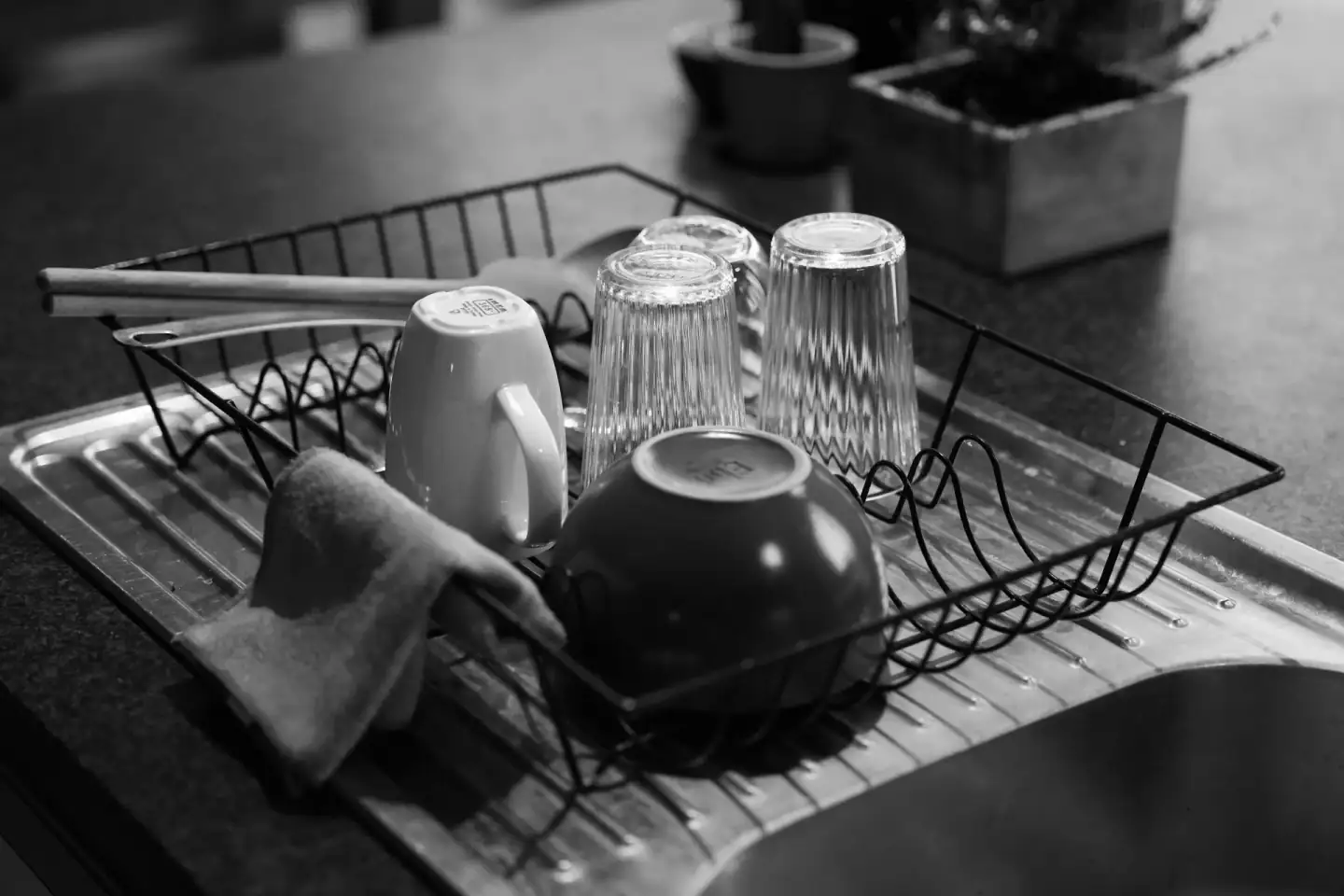
- Requests that ask guests to wash dishes, strip beds, start laundry, or carry trash off-site are not allowed. Dishes in the sink, towels gathered, and trash sorted into indoor bins are.
- Rules and requests must appear in the "House rules and requests" section before booking. Rules sent by message, posted on a sign, or printed in a welcome book do not count.
- Flagged text goes to review. Persistent violations can bring a notice on the listing page that guests see, lower search placement, or action under the Terms of Service.
The seven standard rules
Each standard rule is a structured field, not a sentence. Airbnb displays it in a consistent format on every listing, which is the point: a guest comparing three homes sees the same seven questions answered the same way.
- Maximum overnight guests. New in this release. The cap sits apart from the listing's guest count, so a home that sleeps eight can hold a rule of six overnight guests. This replaces the extra-guest fine, which the policy now bans.
- Quiet hours. A start and end time. The guidance is to match local ordinance rather than invent a stricter one.
- Events. Whether parties and events are permitted. Airbnb's own party ban still applies regardless.
- Pets. Whether pets are allowed and how many. The pet fee stays in pricing, not here.
- Smoking. Covers vaping and e-cigarettes as well as tobacco.
- Commercial photography and filming. Allowed or not.
- Lock up at checkout. New in this release. Includes an optional note on where to leave keys.
Airbnb's Help Center lists one more rule area beyond the seven in the announcement: allowing all, some, or none of the Airbnb Service categories in the home. It is not a field in the editor. Airbnb's instruction is to contact support to set it, so a host who wants to limit third-party services booked through Airbnb Services should raise it that way rather than writing it as a request.
A guest who breaks one of these during the stay, or signals before check-in that they intend to, gives the host grounds to cancel "without fees or other consequences," per Airbnb's host announcement. That cancellation right is the main thing a standard rule has that a request does not.
What a request is, and what it is not
Everything that does not fit the seven fields goes under Requests. The policy describes them as instructions guests are encouraged to follow during the stay and before checkout. Airbnb's examples are specific enough to work as a test:
| Area | Allowed | Not allowed |
|---|---|---|
| Dishes | Place used dishes in the sink | Wash dishes and put them away |
| Laundry | Gather used towels in one place | Strip beds or start a load of laundry |
| Trash | Separate trash and recycling in indoor bins | Take trash to an off-site location |
| Utilities | Turn off the air conditioning when leaving | Avoid using the air conditioning during the stay |
The principle underneath is that a request cannot ask for "significant effort or time" or for "tasks a cleaner would typically do." Two other categories are banned outright: restricting access to any feature advertised on the listing, and hidden fees for advertised features outside the booking price. Optional paid add-ons, such as a breakfast service, can still be described in a request as long as they are optional.
Airbnb will weigh "local considerations." Its examples are animal-proof trash containers in bear country and shower time limits during drought restrictions. A host in either position should expect to document the reason and may be asked for it.
Where the rest of your rules went
Three things that used to live in the house rules have moved or disappeared.
Fines and penalties. Banned. A host may tell guests that a local ordinance carries a fine but may not charge one. The fines post covers what replaces them.
Contracts and ID. A separate rental agreement or a request for identification is no longer a house rule or a request. Both are governed by the contracts policy, with narrow exceptions for monthly stays, Luxe, optional amenities, and legal or HOA requirements.
Anything communicated elsewhere. The policy states that hosts "may not communicate new house rules or requests in other sections of their listing page or after booking." The welcome binder, the laminated card on the fridge, and the pre-arrival message are no longer places to introduce a rule. They can repeat what the listing says, and Airbnb suggests sending the house rules as a quick reply in the message thread.
Running the rewrite
The editor is the enforcement mechanism, so the rewrite is also the compliance check. Text that looks non-compliant is flagged as you type. A request saved despite the flag goes to review, and the host receives an email with resolution tips and an appeal path.
- Open the listing editor and set each of the seven standard rules. Leave none blank. A blank quiet-hours field reads to a guest as no quiet hours.
- Paste your old house rules into a document and sort each line into one of four buckets: standard rule, allowed request, banned, or belongs elsewhere (pricing, listing description, contract exception).
- Rewrite allowed requests against the table. "Please run the dishwasher" becomes "please leave used dishes in the sink." "Strip the beds" goes. "Gather used towels in the bathroom" stays.
- Delete the banned lines rather than softening them. A request that still describes a cleaner's task is flagged whether it says "please" or not.
- Move the rest. Extra-guest and pet charges go to pricing fields. A legally required registration or an HOA agreement goes through the contracts exception, disclosed in the listing with the reason.
- Check your property management system. A PMS that pushes house rules to Airbnb will overwrite the edit on its next sync. Make the change at the source.
- Reprice the turnover. If the old list saved your housekeeper forty minutes, that time now belongs in the cleaning fee or the nightly rate. Rental Scale-Up's summary of the host-forum reaction put it plainly: you have a month to fix either the checkout list or the fee.
Why Airbnb did this
Airbnb's reasoning, in its announcement, is that most guests "want to avoid unexpected chores" and that such requests hurt reviews. Both claims are hard to argue with. The dishes ban drew the most objections on the Community Center in the first day, but the hosts best placed to comply are the ones running a complete turnover already, and they gain something: they no longer compete on price with listings that look cheaper only because guests do part of the cleaning.
The change also fits a longer pattern. Airbnb's 2024 and 2025 policy changes steadily moved discretion from hosts to the platform, and the house rules rewrite is the most visible step so far because every guest sees it on every listing.
The rules you can still set
The seven standard rules and the request table describe what an Airbnb guest can be asked. A guest who books on your own site is bound by whatever your rental agreement and house rules say, including a checkout standard you price and the guest accepts before paying. Hosts who run both channels will want two versions of the same rules: an Airbnb-compliant one that passes the editor, and a direct one that says what the house actually needs.
FAQ
Do my existing bookings have to follow the new rules? No. A reservation booked before November 20, 2026 keeps the rules that were on the listing when the guest booked. Bookings made on or after that date fall under the new policy, even for stays months away.
Can I still ask guests to run the dishwasher? No. Washing dishes and putting them away is the example Airbnb uses for a request that is not allowed. Asking guests to put dishes in the sink is allowed.
What happens if a guest ignores a request? Requests are encouraged, not binding. You cannot cancel over one, but you can contact Airbnb for help if a guest does not comply, and Airbnb says guests who repeatedly or severely violate house rules can face consequences.
Can I keep rules in my welcome book? You can repeat the rules that appear in the listing. You cannot introduce new rules there, in messages, or on signs, because the policy requires every rule and request to be disclosed in the designated section before booking.