Loading...
Haven Research
Industry research, built to be cited
Haven Research publishes original analysis and sourced synthesis for short-term rental hosts, property managers, boutique inns, and independent hotels. Every report states how we know — the window counted, what was excluded — and links primary sources (statutes, filings, platform help pages, first-party data). Numbers carry an as-of date. We do not recap headlines or invent figures.
Each report has a designed HTML page (the citation surface) and an LLM-readable llms.txt so your own agent can quote the same text. Quote with attribution and prefer the canonical URL.

Haven Research
The Ground Truth of Modern SEO: What Search Engines Actually Document
September 30, 2026Last reviewed 2026-09-30
A systematic reading of more than 330 primary documents from Google, Microsoft, web standards bodies, and AI providers, current to September 28, 2026, finds that 17 of 32 common SEO rules are contradicted by the organizations they are attributed to, 12 more have no primary-source support, and no engine publishes a ranking weight, link value, or AI citation criterion. The documentation that does exist is consistent and specific: it names Google’s ranking systems, sets eligibility floors for indexing, rich results, and AI features, and disclaims every guarantee. This report distills that record, chapter by chapter, from The Ground-Truth Guide to Modern SEO.
Haven Research
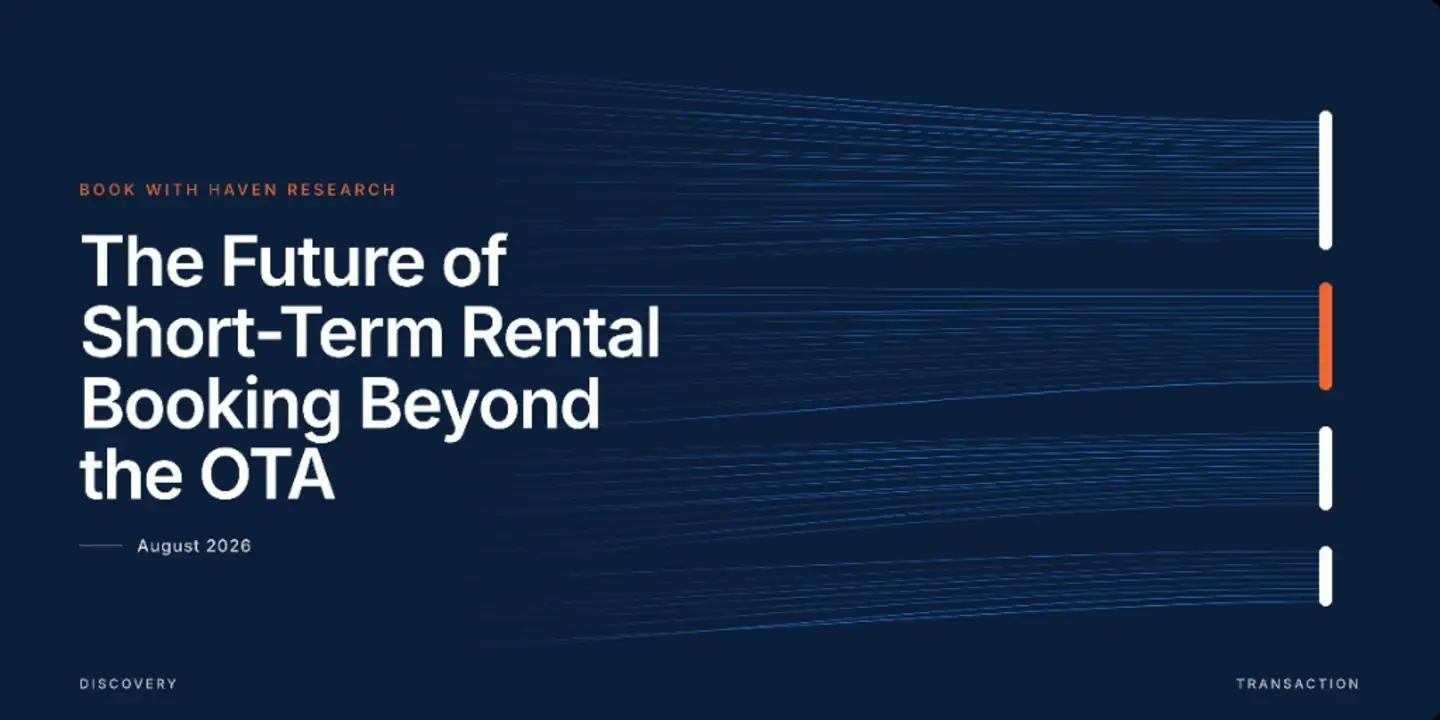
The Future of Short-Term Rental Booking Beyond the OTA
August 30, 2026Last reviewed 2026-08-30
Airbnb has begun testing something it had never previously priced: the difference between a guest Airbnb finds and a guest the host brings, with selected hosts reporting shareable booking links at a service fee of roughly 6% to 10% rather than the 15.5% most hosts now pay. The reservation, payment, and AirCover stay on Airbnb; only the origin of the traveler changes. Open-web booking infrastructure is improving at the same moment Airbnb's share of professionally managed U.S. reservations is rising.

Haven Research
AI, Distribution, and the Future of Direct Versus Intermediated Lodging Booking
August 23, 2026Last reviewed 2026-08-23
AI is weakening the historical link between search visibility and website traffic, but there is not yet credible evidence that this has shifted lodging transaction share toward small suppliers selling direct. The evidence so far cuts more strongly against the “AI levels the playing field” thesis than it proves the opposite thesis of inevitable OTA consolidation. AI can make an unknown property easier to consider without making it the contractual counterparty. Until assistants or an adjacent layer take payment, servicing, and liability, bargaining power in short-term rentals is likely to remain with parties that aggregate inventory, money, trust, and recourse.

Haven Research
The Cost of Compliance in U.S. Short-Term Rental Regulation
August 23, 2026Last reviewed 2026-08-23
Across 13 U.S. short-term-rental pathways with a documented first-year fixed-cost figure as of August 24, 2026, the median government charge was $275 and the mean was $533.72. Those fees exclude lodging taxes and unpriced private costs. The cash price of legal compliance is usually hundreds of dollars; structural rules often bind more than the fee.
Haven Research
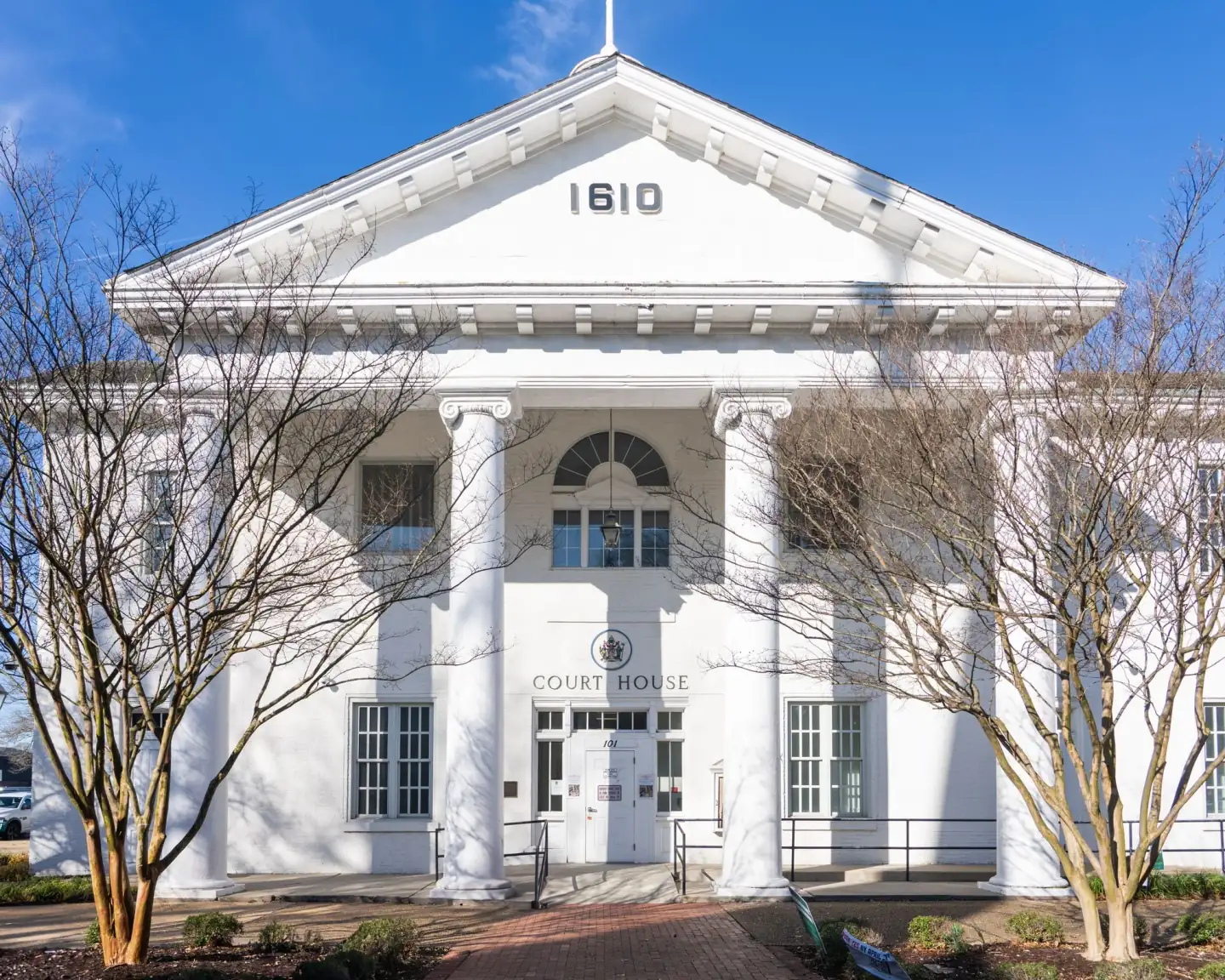
What Courts Have Actually Held About Short-Term Rentals
August 23, 2026Last reviewed 2026-08-23
A restriction to residential purposes, standing alone, usually does not prohibit short-term rentals under the published American appellate decisions that have addressed the issue, because the majority line defines residential use by what occupants do in the dwelling and refuses to infer a minimum stay the covenant does not state. A smaller line treats systematic transient lodging as commercial when the declaration adds private-occupancy, business, hotel, or neighborhood-design language. Express minimum-lease terms, association amendment statutes, and municipal zoning are separate legal questions and cannot be collapsed into one rule.
Stay ahead of the shift
Own your channel before the rules change again
Platform policies move; a direct channel you own does not. Haven gives you a booking site, guest list, and brand that no policy update can take away.
Free to build · No credit card · Private until you publish