Vacation Rental Hurricane Insurance Claim: The 3 Clocks

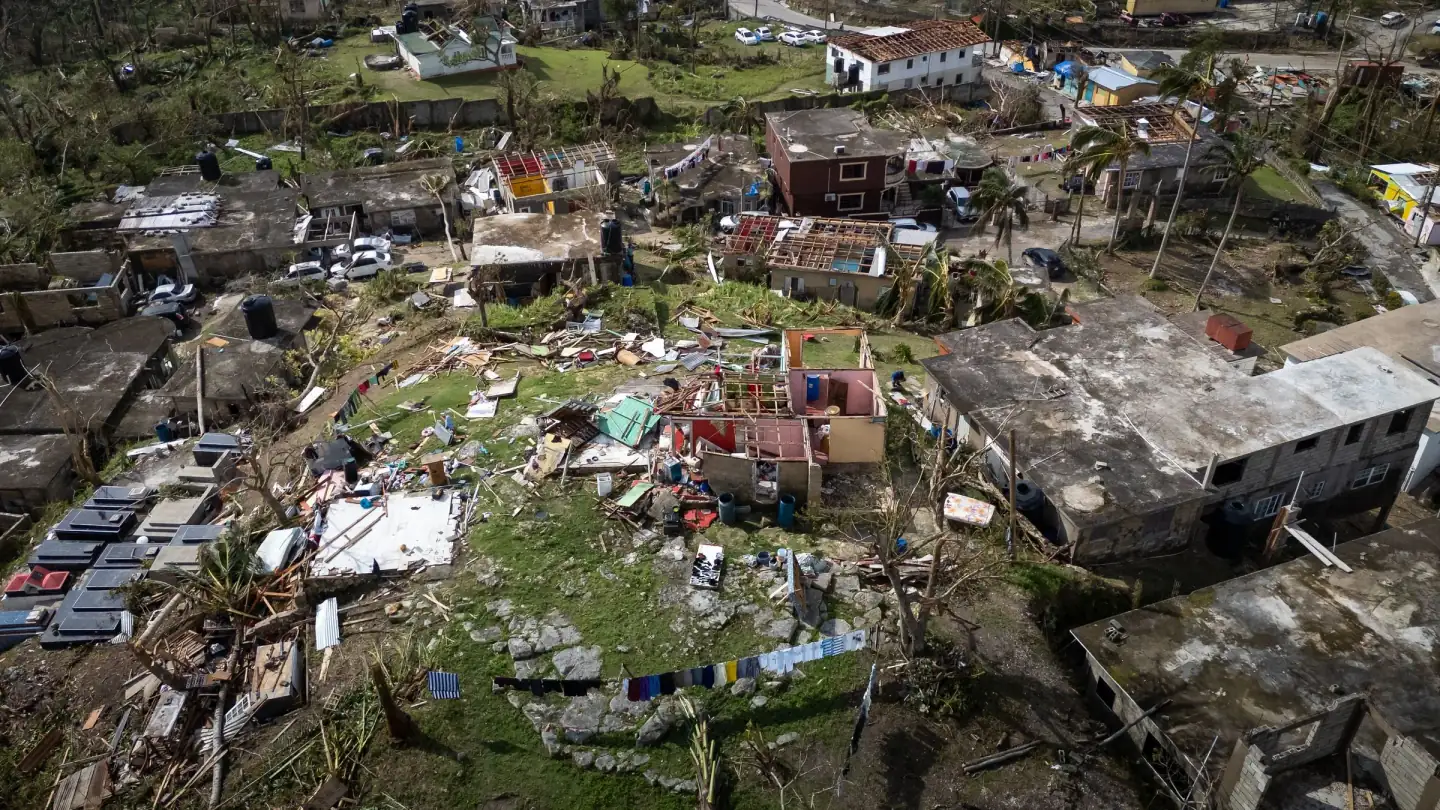
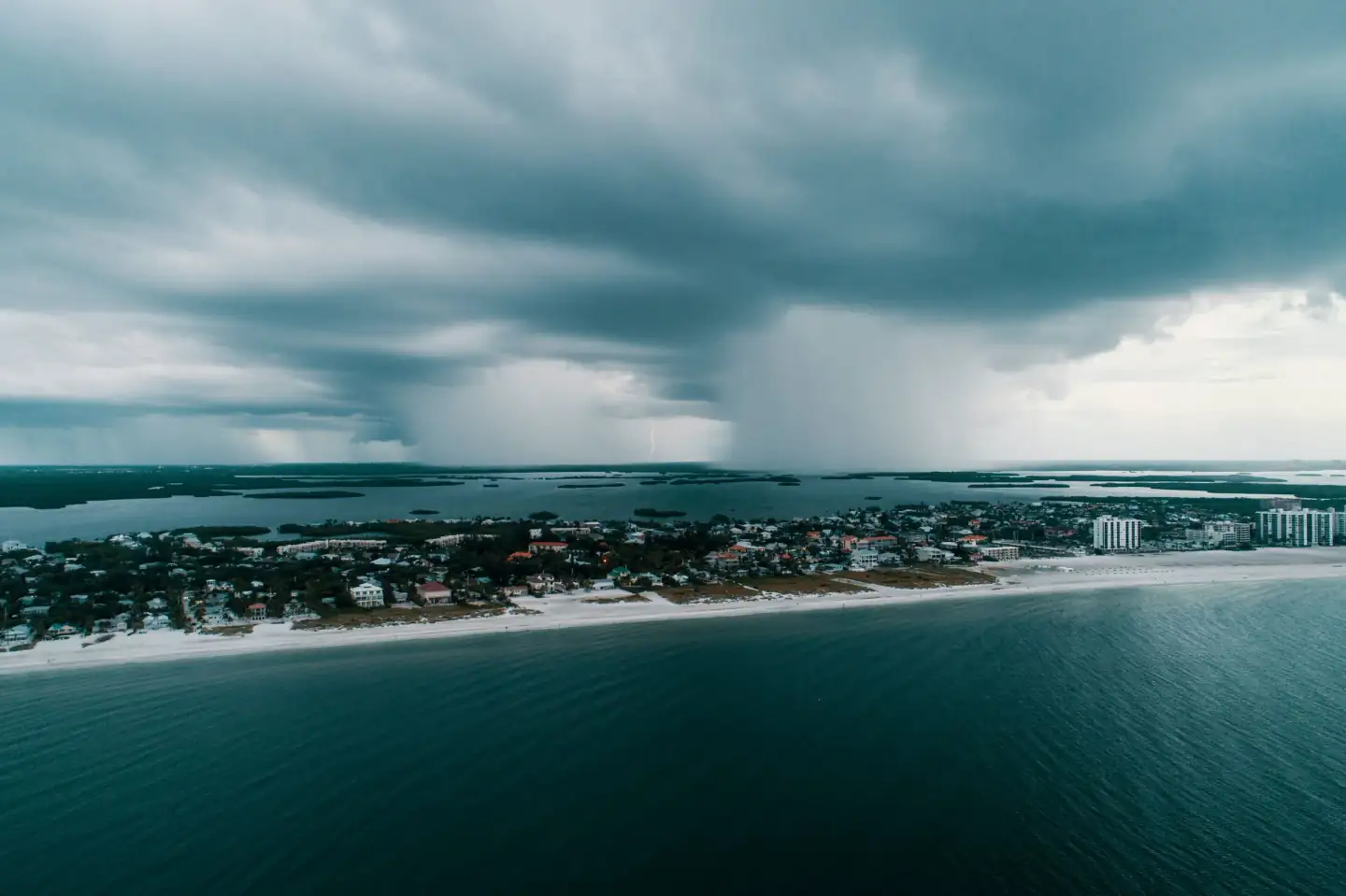
Hurricane Isaias made landfall near Destin, Florida late on Friday, October 9, 2026, as a Category 2 storm. Two days later, on Sunday, October 11, the state opened an in-person insurance assistance hub in Destin with at least six carriers on site.
Most claim advice published since then assumes the reader lives in the damaged house. A vacation rental owner differs on four points: the hurricane deductible is a percentage of the dwelling limit, Florida's claim deadlines run from landfall and not from the day you first see the property, lost bookings are covered only under the right policy type, and federal disaster lending treats a rental as a business.
This post covers the owner's property claim under Florida law. Guest refunds and platform policies are a separate question, covered in our post on what Airbnb and Vrbo refund after Isaias.
Key facts
- Date of loss: Florida law sets a hurricane's date of loss as the date it made landfall. For Isaias that is October 9, 2026.
- Notice deadline: A claim is barred unless notice is given within 1 year after the date of loss, which is October 9, 2027. Supplemental claims get 18 months, which is April 9, 2028.
- Insurer deadline: An insurer must pay or deny a property claim within 60 days after receiving notice. A claim reported on October 12, 2026 is due a decision by December 11, 2026.
- Deductible: Florida insurers must offer hurricane deductibles of $500, 2 percent, 5 percent, and 10 percent of the dwelling limit on personal lines residential policies. On a $600,000 dwelling limit, 5 percent is $30,000.
- Federal aid: As of the morning of October 12, 2026, the federal action we could confirm is an emergency declaration covering 27 Florida counties, announced October 9. We found no major disaster declaration.
Where things stand on October 12, 2026
The Destin hub is at the Morgan Sports Center, 4200 Indian Bayou Trail. It opened Sunday from 1 to 4 p.m., runs Monday, October 12 from 9 a.m. to 4 p.m. with additional insurers, and is expected to stay open for the next few days.
Owners who cannot get to Destin can call the state's insurance consumer helpline at 1-877-693-5236.
Okaloosa County lifted its mandatory evacuation orders for Zones A and B, and its restrictions on nonresidents, at noon on Sunday, October 11. Owners who live elsewhere can now return to properties in those zones.
The hurricane deductible is a percentage of your dwelling limit
A hurricane deductible is a separate deductible that applies when the loss comes from a hurricane. In Florida it is usually a percentage of the dwelling limit, the amount the building is insured for, not a percentage of the damage.
The statute requires insurers to offer $500, 2 percent, 5 percent, and 10 percent options before issuing a personal lines residential policy. Once the dwelling is insured for $250,000 or more, the insurer no longer has to offer the $500 option, so on a higher value coastal rental the choice is effectively among percentages. The state's Insurance Consumer Advocate says most policies sit at 2 to 5 percent.
The arithmetic at three dwelling limits (limit multiplied by the percentage):
- $400,000 dwelling limit: $8,000 at 2 percent, $20,000 at 5 percent, $40,000 at 10 percent.
- $600,000 dwelling limit: $12,000 at 2 percent, $30,000 at 5 percent, $60,000 at 10 percent.
- $900,000 dwelling limit: $18,000 at 2 percent, $45,000 at 5 percent, $90,000 at 10 percent.
Applied to a loss: a rental insured for $600,000 with a 5 percent hurricane deductible and $45,000 of covered wind damage produces a payment of $15,000 ($45,000 minus $30,000). The same house with $25,000 of damage produces no payment, because the loss is below the deductible. Report the loss anyway if you are near the line, because damage found during repairs can push the total over the deductible.
Two rules limit the deductible. When the hurricane deductible applies, no other deductible under the policy may be applied. And on personal lines residential policies it applies on an annual basis to all covered hurricane losses in the calendar year with the same insurer, so a second 2026 hurricane would be charged only the unused remainder or the regular deductible, whichever is greater.
One caution: those offer and annual rules are written for personal lines residential policies. A rental insured on a commercial or surplus lines form may carry different terms, so read the declarations page, the summary at the front of the policy that lists limits and deductibles, before estimating a payout.
The three clocks in Florida law
Clock one: one year to give notice
Under section 627.70132, a claim or reopened claim under a property insurance policy is barred unless notice is given to the insurer within 1 year after the date of loss.
For a hurricane, the date of loss is the landfall date. For an absentee owner that means the year began on October 9, 2026, whether or not anyone has inspected the house. Notice is due by October 9, 2027.
Clock two: 18 months for supplemental claims
A supplemental claim asks for additional loss from the same hurricane on a claim the insurer has already adjusted, such as damage found during repairs. Notice is due within 18 months of the date of loss: April 9, 2028 for Isaias.
Clock three: the insurer's 60 days
Section 627.70131 says the insurer must acknowledge a claim communication within 7 calendar days, conduct any physical inspection within 30 days after receiving proof of loss, send any detailed estimate within 7 days after the adjuster generates it, and pay or deny the claim within 60 days after receiving notice.
Worked dates: a claim reported Monday, October 12, 2026 should be acknowledged by October 19 and decided by December 11, 2026 (19 days left in October, 30 in November, 11 in December). The Office of Insurance Regulation can extend the period after an emergency by no more than 30 days, which would make the outer date January 10, 2027.
The clock is tolled during mediation, and when the policyholder does not provide requested claim information within 10 days. Treat every insurer request as a 10 day deadline.
Will the policy pay for lost bookings?
The policy type decides it. The Insurance Information Institute states that "Standard homeowners insurance policies do not provide any coverage for business activities conducted in the home" and that a vacation home rented on a regular basis needs a landlord or rental dwelling policy.
Loss of rental income coverage (sometimes labeled fair rental value or loss of rents) pays for revenue missed while a covered loss keeps the property from being rented. The Institute says landlord policies typically include it and that it is "generally provided for a specific period of time." We covered the homeowners exclusion in the insurance gap most hosts do not know they have.
If your policy includes the coverage, start the income file now:
- The booking calendar as it stood on October 8, 2026, with every reservation that was later canceled.
- Revenue for the same weeks in 2025 and 2024, by channel.
- The date the property becomes rentable again, with contractor documentation.
If you carry a separate flood policy, surge damage is its own claim with its own deadlines. FEMA's FloodSmart site says to start a flood claim as soon as possible and document damage before discarding anything. Read the proof of loss deadline in the flood policy itself; we could not confirm a day count at the source, so we are not printing one.
What to do this week if you own from out of state
- Report the claim now. The Insurance Consumer Advocate's first instruction is to report damage to your agent or insurer right away. The insurer's 60 days start when it receives notice.
- Get photos and video before cleanup. Keep damaged items for the adjuster where it is safe; if something must go, photograph it first.
- Keep every receipt for out-of-pocket costs, and ask for the adjuster's detailed estimate.
- Read before signing with a public adjuster. The state's guide to policyholder rights is linked from the Isaias page.
- Check contractors. The same page points to the Disaster Contractors Network at DCNOnline.org and warns about door to door tarp and debris offers. Report suspected fraud to the state hotline at 1-800-378-0445.
These statutes are Florida law. A property in Alabama falls under Alabama's rules, not the deadlines above.
Federal aid treats a rental as a business
The Small Business Administration's home disaster loans are for primary residences. Its page says "Secondary homes or vacation properties are not eligible for these loans."
The next sentence is the one rental owners need: "qualified rental properties may be eligible for assistance under SBA's business physical disaster loan program." That program lends up to $2 million, at a rate that will not exceed 4 percent for applicants who cannot get credit elsewhere and 8 percent for those who can, with terms up to 30 years and the first payment deferred 12 months.
The page does not define "qualified," so ask SBA's disaster line at 1-800-659-2955 before assuming either answer.
Do not count on it yet. SBA describes these loans as available in a declared disaster area, and what FEMA announced on October 9 is an emergency declaration that funds emergency protective measures at 75 percent federal cost in 27 counties, including Escambia, Santa Rosa, Okaloosa, and Walton. The report notes that further designations can follow if the state requests them and damage assessments support it.
What to watch next
- A further federal declaration. Watch for a major disaster declaration or an SBA declaration that names your county. Check before you apply for anything.
- The insurer data call. The state says information from Monday's data call will be posted at floir.gov on a rolling basis.
- Any extension order. If the Office of Insurance Regulation extends the 60 day period, the December 11 date above moves by up to 30 days.
For the file to build before the next storm, see our hurricane season checklist for hosts.
FAQ
How long do I have to file a hurricane insurance claim in Florida?
Florida law bars a property insurance claim unless notice is given within 1 year after the date of loss, and for a hurricane the date of loss is the landfall date. For Hurricane Isaias, which made landfall on October 9, 2026, notice is due by October 9, 2027. Supplemental claims have 18 months, until April 9, 2028.
Does insurance cover lost bookings on a vacation rental after a hurricane?
Only if the policy includes loss of rental income coverage. The Insurance Information Institute says standard homeowners policies do not cover business activity in the home, while landlord policies typically cover lost rental income from a covered loss for a specific period.
How much is a hurricane deductible on a Florida rental property?
It is usually a percentage of the dwelling limit, not of the damage. At 2 percent, a $600,000 dwelling limit carries a $12,000 hurricane deductible; at 5 percent it is $30,000; at 10 percent it is $60,000.
Can I get an SBA disaster loan for a damaged vacation rental?
Not through the home loan program, which excludes secondary homes and vacation properties. SBA says qualified rental properties may be eligible under its business physical disaster loan program, up to $2 million. SBA describes the loans as available in declared disaster areas, and as of October 12, 2026 the only federal declaration we found for Isaias was an emergency declaration.
The records are the claim
Every step above depends on documents: the policy, the photos, the receipts, and proof of what the property would have earned. Haven builds direct booking websites where the host keeps the guest relationship and the guest data, so the booking history for a loss of rental income claim is already in the owner's hands.