Airbnb Bans Host Fines: What Happens to Extra-Guest Charges, Smoking Penalties and Deposits

A $250 smoking fee. $50 per extra guest beyond the reservation. $100 for a late checkout. $75 if the trash is left inside. Line items like these have sat in Airbnb house rules for years, and they did two jobs: they discouraged the behaviour, and they gave the host a number to put in a Resolution Center request when it happened anyway.
From November 20, 2026, none of them are allowed. Airbnb's "Reasonable house rules and requests" policy bars hosts from "imposing fines or other penalties on guests," from charging for anything advertised as included, and from hiding fees for advertised features outside the booking price. This post is about the money side of the change: where the line between a fee and a fine now sits, what Airbnb says replaces the fine, and what a host can still charge on each channel. The policy as a whole is covered in the November 20 explainer.
Key facts
- The policy applies to reservations booked on or after November 20, 2026.
- A fee disclosed in Airbnb's pricing fields before booking is allowed. A charge triggered by a guest breaking a rule is a fine, and fines are banned.
- Hosts may notify guests that a local ordinance carries a fine, in the designated house rules section, but may not levy one.
- Airbnb's stated substitute for the fine is AirCover for Hosts, whose claims run through the Resolution Center and, since April 2026, require "legitimate and verifiable evidence" within 14 days or before the next check-in.
- Most hosts were already barred from charging a security deposit on Airbnb. The Help Center states: "Most hosts are not allowed to charge a security deposit or credit card hold for incidentals."
- A new standard rule, maximum overnight guests, replaces the extra-guest fine with a cancellation right.
Fee or fine: the test
Airbnb's distinction is about when the charge is set and what triggers it.
A fee is set before booking, shown in the price breakdown, and paid as part of the reservation. The cleaning fee, a pet fee, and an extra-guest fee for guests above a base count are all fees. They are allowed, and the April 2025 transparency rules already required them to be in Airbnb's fee fields rather than collected on the side.
A fine is triggered by conduct. It is charged, or threatened, because a guest did something the rules prohibit. The smoking penalty, the late-checkout charge, the unregistered-guest charge, and the "if you leave the dishes" fee are fines, and from November 20 they cannot appear in house rules, requests, messages or signs.
Two further bans sit alongside. A host cannot charge for anything the listing advertises as included, which ends the pool-heating surcharge on a listing that advertises a heated pool. And a host cannot hide a fee for an advertised feature outside the booking price, which ends the "parking available, $20 per night paid at check-in" line. Optional add-ons the guest chooses, such as a breakfast service, can still be described in a request.
| Charge | On Airbnb from Nov 20 |
|---|---|
| Cleaning fee | Allowed, in the pricing field |
| Pet fee | Allowed, in the pricing field |
| Extra-guest fee above a base count | Allowed, in the pricing field |
| Charge for guests above the stated max | Banned as a fine. Use the maximum overnight guests rule |
| Smoking or vaping penalty | Banned. File a damage claim through AirCover |
| Late checkout charge | Banned as a penalty. Early or late checkout as a paid option may be offered as an optional add-on |
| Pool heating on a listing with a heated pool | Banned. Included means included |
| Parking paid at the door | Banned. Put it in the price or state it as an optional add-on |
| Security deposit | Already barred for most hosts |
What Airbnb offers instead
Airbnb's answer to "how do I recover the cost of a smoking incident" is AirCover for Hosts, which it describes as "top-to-bottom protection" for damage during a stay, with reimbursement requests going through the Resolution Center.
That is a real program, and for genuine property damage it pays. It is not a fine by another name, for three reasons. It compensates documented loss rather than a pre-agreed amount. Its evidence standard tightened in the April 2026 terms update, which excludes AI-edited photos, narrows what counts for smoke odour and linen stains, and sets a 14-day deadline. And the decision belongs to Airbnb, which can request more information, delay payment, or decline.
The host who used a $250 smoking fee as a deterrent has lost the deterrent. Airbnb's view is that the deterrent was never legitimate. Whatever one thinks of that, the economics are simple: a cost that used to be recovered from the guest who caused it now has to be absorbed, insured, or priced into every stay.
The extra-guest problem, solved differently
The most common fine on Airbnb was the unregistered-guest charge, and Airbnb has replaced it with something arguably stronger. The new maximum overnight guests rule is a standard house rule, which means a guest who exceeds it has broken a rule, and the host may cancel the reservation "without fees or other consequences."
That is a different remedy. A fine recovered money and let the stay continue. The cancellation right ends the stay. For a host who wants paying guests rather than a confrontation, the useful combination is an extra-guest fee in pricing for guests up to the home's capacity, and the standard rule as the hard ceiling.
Deposits: nothing new, and that is the point
Hosts sometimes read the fines ban as the end of security deposits on Airbnb. That ended earlier. Airbnb's Help Center already states that most hosts cannot charge a security deposit or a card hold, with two exceptions: software-connected hosts who disclose the deposit in the fee field before booking, and hotels taking a hold at check-in. Either way the deposit must be refunded within 7 days of checkout (14 for hotels) when nothing is charged, with written evidence for anything withheld.
What the November change removes is the informal substitute: a fine clause in a contract or house rule that stood in for the deposit a host could not take. With the contract largely banned and the fine banned outright, there is no stand-in left on Airbnb. A card hold on a direct booking is the only deposit a short-term rental host now controls from authorisation to release.
Pricing the change
The money has to go somewhere. Three places are available on Airbnb, and all three are visible to the guest before booking.
- The cleaning fee. If the checkout list is shorter and the housekeeper's time is longer, the cleaning fee is the honest place for it. Airbnb's 15.5% host fee applies to the cleaning fee too, so gross it up.
- The nightly rate. A smaller change spread across every night is less visible in search than a larger cleaning fee. Which is better depends on the length of stay the listing attracts.
- Optional add-ons. Late checkout, early check-in, and a pet beyond the first can be offered as paid options the guest selects, provided they are optional and disclosed.
What cannot be done is to keep the fine and call it something else. The editor flags conduct-triggered charges, and a listing that keeps them risks the guest-facing notice and lower search placement.
On your own channel
A direct booking is governed by the host's rental agreement, not by Airbnb's fee policy. A smoking remediation charge the guest agreed to in writing, drawn against a card hold the guest authorised at checkout, is a contractual term rather than a fine, and it remains the standard way a direct channel handles conduct charges. The difference between the two channels on this point is now about as clear as it gets: on one, the host can set terms and secure them; on the other, the host can set a price and file a claim.
FAQ
Can I still charge an extra-guest fee on Airbnb? Yes, as a disclosed fee in the pricing fields for guests above your base count. A charge for guests beyond the maximum you set in house rules is a fine and is not allowed. Use the maximum overnight guests rule instead.
What about a late checkout fee? A penalty for leaving late is banned. Offering late checkout as a paid option the guest selects in advance is an optional add-on and allowed.
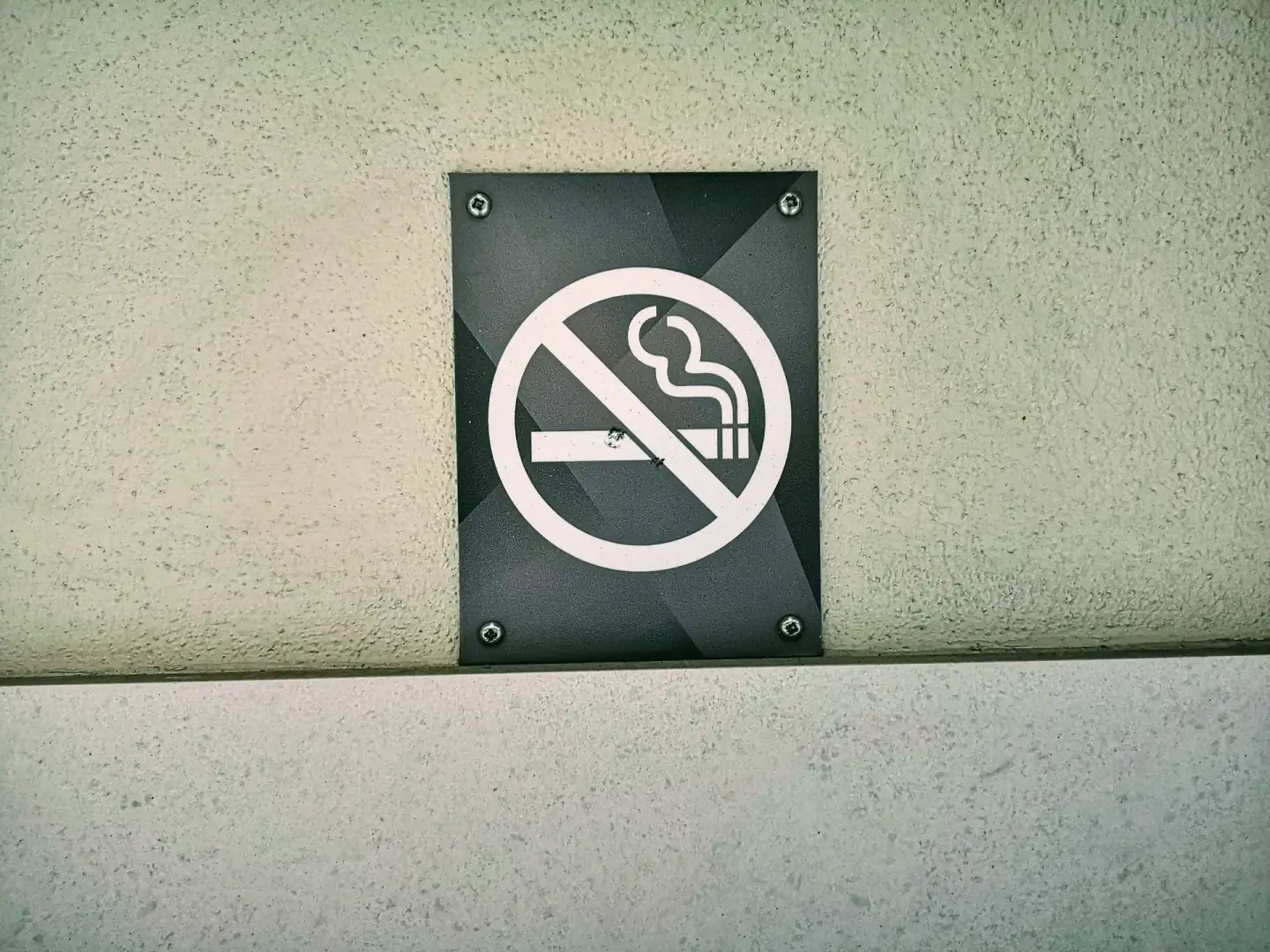
Can I say in my house rules that smoking carries a $250 fee? No. You can say smoking is not allowed, and you can note that a local ordinance carries a fine. You cannot set your own.
Does the fines ban apply to bookings on my own website? No. Airbnb's policy governs reservations made on Airbnb. Charges a guest agrees to in a direct-booking rental agreement are contractual terms.