Airbnb Guest ID Rules 2026: What Hosts Can No Longer Ask For at Check-In

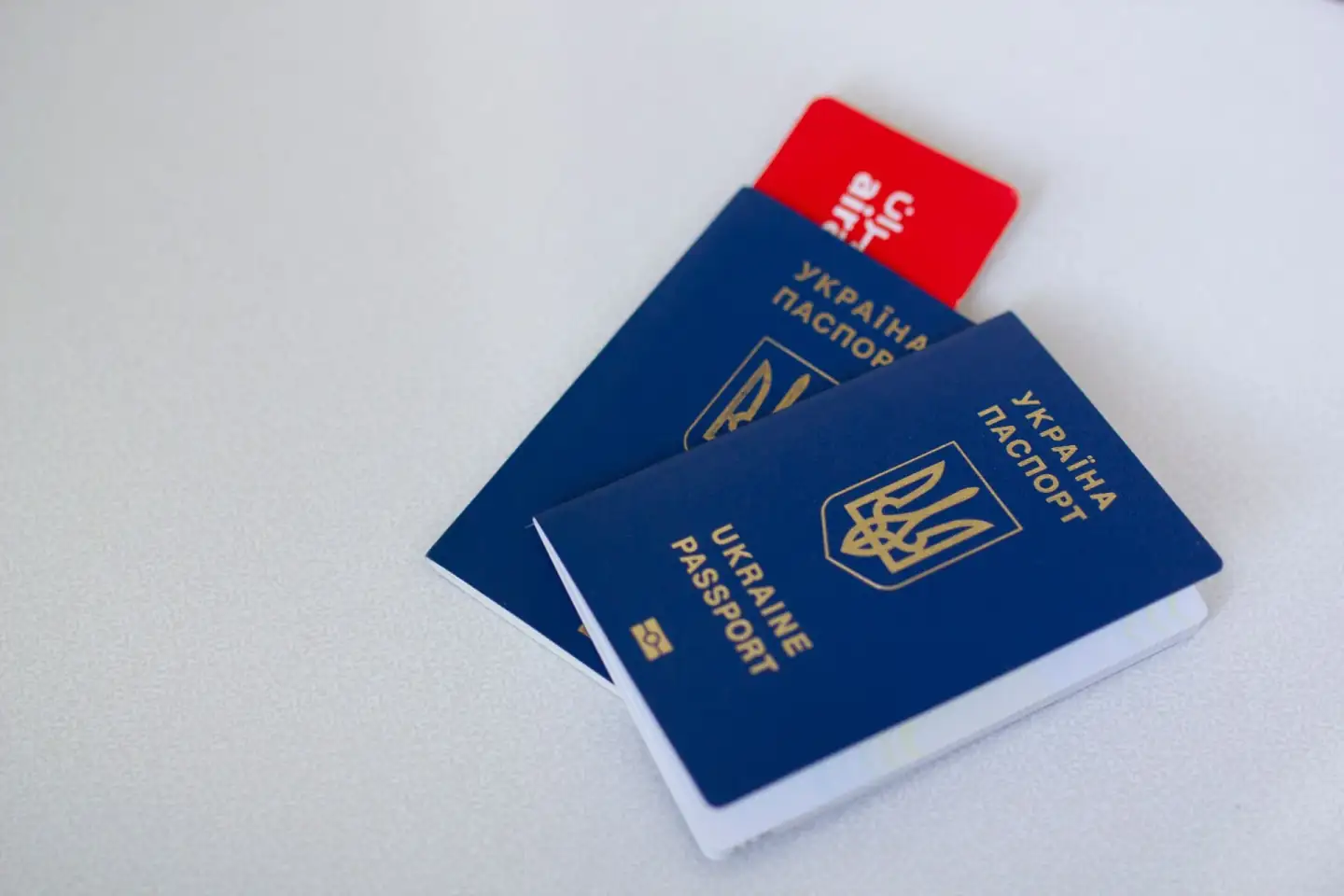
Asking a guest for a photo of their driver's licence before arrival was, for a long time, a reasonable thing for a host to do. Airbnb's old Off-Platform Policy already discouraged it, barring requests for government ID before arrival unless the law required one. The policy that replaces it on November 20, 2026 goes further, and it closes the workarounds hosts had used in the meantime.
This post is about one slice of that policy: what a host may and may not collect from a guest, what Airbnb itself verifies, and how to run check-in and screening for a reservation that comes through Airbnb. The contract ban and the house-rules rewrite that arrive the same day are covered in the November 20 explainer.
Key facts
- For reservations booked on or after November 20, 2026, hosts "generally may not collect personal data during booking or the stay." The list covers contact information, identification documents, credit card or bank details, background check or credit history information, and biometric or health data.
- The exceptions are a legal requirement, a documented community association rule, or a signature on a contract the policy allows. Where one applies, the host must disclose it in the listing, collect only what is necessary, and store and dispose of the data securely.
- Airbnb verifies identity itself. Its Help Center states: "Every host, new co-host, and booking guest must be identity verified to use our platform."
- Airbnb "doesn't share your government ID with a host when you book," per the same article.
- Hosts may not require a third-party app or an account on another site to enter the home or use a key amenity. Optional apps are fine if a non-app alternative is available on request.
- Hosts may not ask guests to review a stay or complete a survey on another site. Hotels are the exception.
What Airbnb verifies, and what it shares
Airbnb's identity check runs on the guest's account, not on the reservation. It confirms legal name, address, phone number and other details against third-party sources, and asks for a government ID photo and a selfie when those are not enough. Verification is mandatory for anyone who books, and a reservation stays pending until the guest completes it. When check-in is within twelve hours, the guest has one hour.
What a host receives is the verified status, not the document. Airbnb is explicit that the ID is not shared, and that a host may request a government ID after booking only where the listing stated the requirement and its reason at booking, and only where legal or compliance rules require it. Some jurisdictions require guests to register with local authorities, and Airbnb allows a host to handle that on the authority's behalf. The policy text uses the same frame: collection "needed to comply with law, a documented community rule, or to sign an allowed contract."
Everything else that hosts had been collecting, from the pre-arrival ID photo to the selfie-with-licence that some screening services request, falls outside those exceptions for an Airbnb reservation.
Contact details and the end of the pre-arrival form
The data list starts with contact information, and this is the item most hosts will trip over. The guest's email address and phone number are not the host's to collect, even after booking, even for a reason as practical as sending a door code. Airbnb's masked messaging and its temporary phone numbers are the channel it intends hosts to use, and those numbers expire shortly after checkout by design.
A pre-arrival form that asks for names of all guests, a phone number, an email, a vehicle plate and a signature now fails on several counts at once. The names of other guests are personal data. The phone and email are contact details. The signature is a contract. A host who runs that form through a guest app and gates the door code behind it also runs into the app rule.
The practical rule is that an Airbnb reservation should need nothing from the guest beyond what Airbnb already has. If something genuinely is required, say an occupancy register under a city ordinance, the listing has to say so and say why.
Smart locks, guest apps and the alternative-access rule
The policy allows a host to offer a keyless entry or concierge app. It does not allow a host to require one. A guest who asks for a different way in must be given one, which in practice means a physical key, a lockbox, or a keypad code that does not depend on the guest installing anything or creating an account.
For hosts who use a guest app as their check-in flow, the fix is to make the app the convenient path and keep a non-app path ready. The door code can go out through the Airbnb message thread. The arrival guide can be a link that needs no login. The listing can describe the app as optional.
Airbnb's own March 2026 change bears on this too. Guests now receive the full address and the arrival guide at confirmation rather than closer to check-in. Hosts who had used the pre-arrival form to control when access details went out have lost that lever, and the sensible response is stay-specific codes that expire at checkout rather than a form the guest has to complete.
Screening within the rules
Hosts screen guests for good reasons, and nothing in the policy says a host cannot decline a request. What changes is the inputs.
For an Airbnb reservation, the inputs are the guest's verified status, their review history, the message thread, and the standard house rules the guest accepts at booking, including the new maximum overnight guests rule. A host may also look at a guest's ID in person at check-in, provided the Requests section says so and no copy is kept. Airbnb's reservation screening runs on its side. A host cannot add a background check, a credit check, or a third-party identity service on top of that for an Airbnb guest without a legal basis.
For a direct booking, the host sets the inputs. An identity check before payment, a signed agreement, and a card hold are all available, and the guest relationship stays with the host rather than with a platform that will not share the guest's email. The screening tools that Airbnb has just taken off the table for its own guests are the ones a direct channel is built around.
What to change before November 20
- Remove ID and contact requests from the listing, saved replies and automated messages. Anything that asks an Airbnb guest for a document, a phone number or an email goes, unless a documented legal or HOA reason is stated in the listing.
- Retire the pre-arrival form for Airbnb guests, or cut it to information Airbnb does not already hold and that the law requires.
- Add a non-app entry path and mention in the listing that the app is optional.
- Review any screening service that collects ID from guests. For Airbnb reservations it can no longer run on guest-supplied documents.
- Stop asking for off-platform reviews. Google review requests to Airbnb guests are prohibited unless the listing is a hotel.
- Delete stored copies. The policy requires secure disposal of data a host was permitted to collect. Data collected without a permitted basis should not be kept.
FAQ
Can I check a guest's ID in person at check-in? Yes, if the listing discloses it. Airbnb's policy states that hosts "may physically check a guest's ID to verify identity in person at check-in" when the requirement appears in the Requests section of the listing. What a host may not do is keep a digital or physical copy, unless a legal, community-rule or allowed-contract exception applies.
My city requires a guest register. Can I still collect names? Yes, under the legal-requirement exception. Disclose the requirement and the reason in the listing, collect only what the ordinance requires, and store it securely.
Can I require guests to use my smart lock app? No. You can offer it, but a guest who asks for another way in must be given one, such as a keypad code or a physical key.
Does any of this apply to guests who book on my own website? No. Airbnb's policy governs reservations made on Airbnb. A direct booking can include an identity check and a signed agreement as conditions of booking.