Tulsa Hotel Tax on Short Term Rentals: 9.9% From Jan. 1

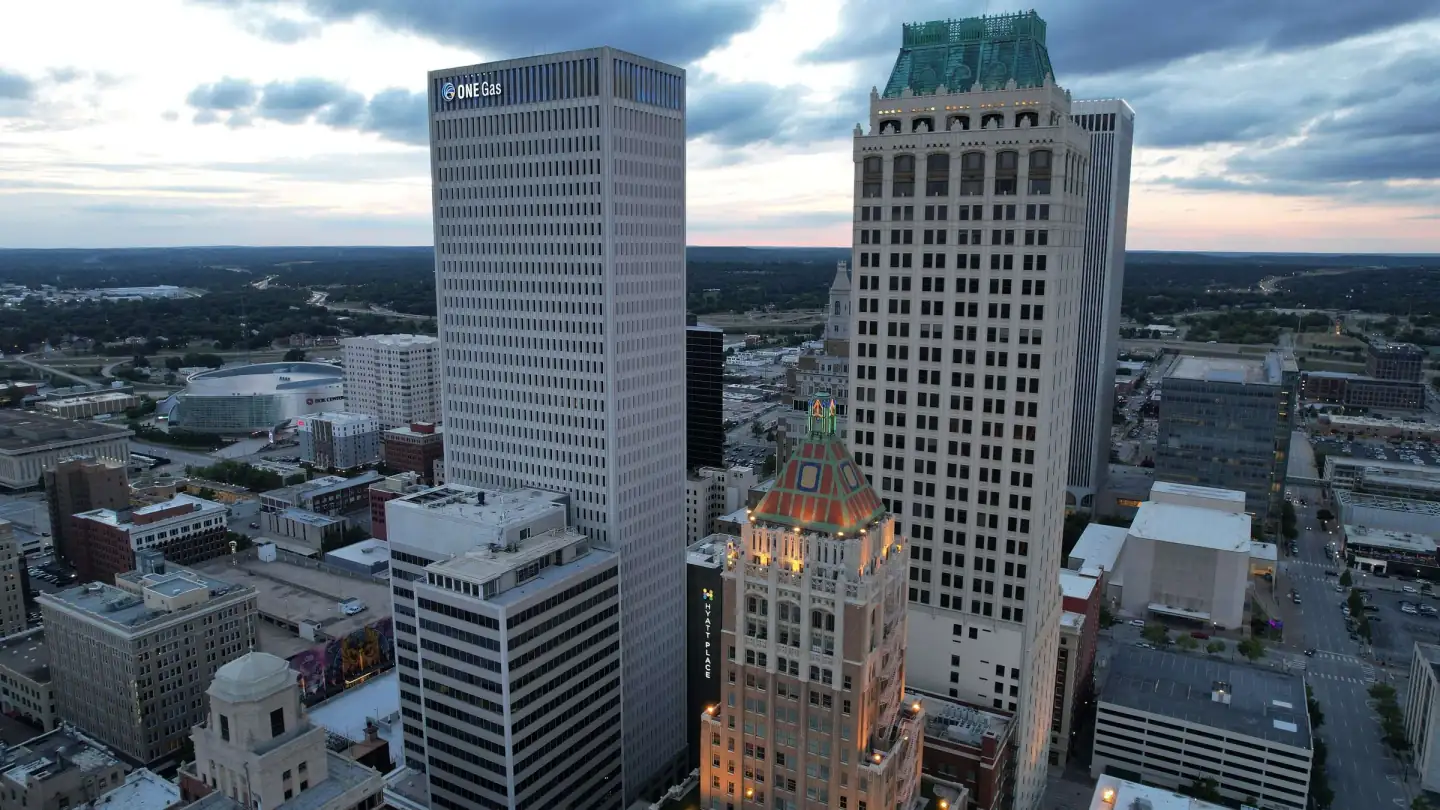
Tulsa, Oklahoma voters approved nearly doubling the city's lodging tax on November 3, 2026. The rate moves from 5% to 9.9% on January 1, 2027, the first increase since 1984, with about 57% in favor, according to the Tulsa Flyer. The ballot called it a hotel guest tax, and coverage treated it as one.
It is not only a hotel tax. The Tulsa City Council's Hotel Guest Tax page says it applies to hotels, motels, inns and short term rentals such as Airbnb and Vrbo listings with "five or more rooms, even if those rooms are spread across multiple buildings." That reads like a carve out for houses. Airbnb's own Tulsa help page describes the count as "five (5) or more total rooms (including bedrooms, bathrooms, dining room, kitchen, etc.)", and under that count a two bedroom, one bathroom house with a kitchen and a living room is already at five.
On Airbnb, the platform collects Tulsa's lodging tax. On a direct booking, the host is the operator the city expects to collect, file and remit, as our post on lodging tax on direct bookings explains in general. Here are the Tulsa specifics, the per stay math, and the other short term rental measures decided that night.
Key facts
- Tulsa voters approved raising the city lodging tax from 5% to 9.9% on November 3, 2026, effective January 1, 2027, with about 57% in favor, according to the Tulsa Flyer.
- The Tulsa City Council says the tax applies to short term rentals "with five or more rooms, even if those rooms are spread across multiple buildings," and Airbnb's Tulsa page counts bedrooms, bathrooms, dining rooms and kitchens toward the five.
- Airbnb's Oklahoma tax page lists a City of Tulsa lodging tax of "5% of the listing price including any cleaning fees" as a tax Airbnb collects; as of November 8, 2026 it does not yet show 9.9%.
- The City of Tulsa says the owner or operator collects the tax, files monthly, holds an annual lodging tax license, and that cleaning fees and pet fees "are not exempt from lodging taxes."
- Dunes City, Oregon voters rejected Measure 20-386, which would have prohibited new short term rentals, 423 yes to 550 no in unofficial state results updated November 8, 2026.
What Tulsa voters approved
The rate, the date and the money
The council voted 7-0 on July 22, 2026 to put the increase on the ballot, NewsOn6 reported. The ordinance amends Title 44 of the Tulsa Revised Ordinances, the Hotel Tax Code, raising the rate "from five percent (5%) to nine and nine-tenths percent (9.9%)" effective January 1, 2027, per the council's supporting documentation. There is no sunset: the Tulsa Beacon noted on October 29, 2026 that the rate outlives the bonds it funds.
The council page says the 5% tax generated $10.4 million in 2026 and estimates $20.6 million a year at 9.9%, which is the first number scaled up ($10.4 million times 9.9 divided by 5 is $20.59 million): the city assumes the base does not shrink when the rate nearly doubles. The money backs $80 million in revenue bonds for the BOK Center and the Arvest Convention Center.
Who pays: the five room rule
The council page does not define a room, and the city's lodging tax FAQ never mentions short term rentals or room counts. Airbnb's Tulsa page does: operators with "five (5) or more total rooms (including bedrooms, bathrooms, dining room, kitchen, etc.)" must collect the lodging tax and remit it monthly. Counted that way, two bedrooms, one bathroom, a kitchen and a living room is five, and a three bedroom, two bath house is at five before you reach the kitchen. Only studios, one bedroom units and private rooms stay under the line, and the multiple buildings clause catches an operator renting two of those on one property.
One caution. That room list is Airbnb's description of the city's rule; we could not open the definitions section of Title 44 to confirm the ordinance's own wording on November 8, 2026. If your count is close, ask the Finance Department for the definition in writing.
What is taxed and what is exempt
The city reads the taxable base broadly. Asked whether pet fees, rollaway beds, equipment rentals and cleaning fees are exempt, its lodging tax page answers: "These fees are not exempt from lodging taxes." Food and beverages, parking, early check in or late check out fees and damage recoupment are outside the tax, per the council page. Permanent residents, anyone with the right to occupy a room "for at least 30 consecutive days," are exempt.
Who collects it: Airbnb or you
On Airbnb
Airbnb's Oklahoma occupancy tax page lists the City of Tulsa among the jurisdictions where it collects and remits: "Lodging Tax: 5% of the listing price including any cleaning fees, for reservations 29 nights and shorter." Airbnb taxes the cleaning fee, matching the city's position. The page still showed 5% on November 8, 2026, so check it in January rather than assuming the update went through. The lodging tax sits on top of state and local sales taxes; the math below shows the lodging tax line alone.
On your own website
Here no platform is involved. The City of Tulsa's lodging tax page says "the owner/operator is responsible for collecting the tax from the occupant," that returns are due "the last calendar day of the month following the date of collection," and that "an annual lodging tax license application is required from the operator, remarketer or owner" who collects. Filing and paying by the 15th earns a 3% discount on the gross tax due.
The lodging tax license is separate from Tulsa's short term rental license, which Airbnb's Tulsa page puts at a $75 license fee plus a $300 implementation and compliance fee, renewed each June 30. A direct booking host needs both. Fixed license charges of that kind are what the cost of compliance in U.S. short-term rental regulation measures across other cities. Room and unit counts deciding who owes lodging tax is a pattern we covered in the occupancy tax exemption post. We did not verify what Vrbo collects in Tulsa.
The math on one direct stay
Take a three night stay at $200 a night with a $150 cleaning fee. Because the cleaning fee is taxable, the base is $600 plus $150, or $750. At today's 5%, the lodging tax is $37.50. From January 1, 2027, at 9.9%, it is $74.25: the guest pays $36.75 more, and the tax line grows 98%, since 9.9 divided by 5 is 1.98.
Now the trap for hosts who quote all in prices. Suppose you confirmed a January 2027 direct booking in October at $787.50 "tax included," which was $750 plus 5%. Honor that total and remit 9.9%, and the tax inside it is $787.50 minus $787.50 divided by 1.099, or $70.94, leaving a base of $716.56. You gave up $33.44 on one stay. Any 2027 direct reservation quoted at the old rate is underpriced by 4.9 points of the base.
The tax is imposed on occupancy and the ordinance takes effect January 1, 2027, so the practical reading is that stays on or after that date carry 9.9% regardless of booking date. The city has not published guidance on prepaid reservations; confirm with the Finance Department before sending adjustment notices.
What else voters decided on November 3
Tulsa was the largest of several short term rental questions decided that night. In the results we could confirm, visitor taxes passed and rules aimed at the host base failed or trailed.
Erie, Colorado approved Ballot Issue 3E, a new town lodging tax, 5,286 for to 3,367 against in the Boulder County portion of the town, about 61%, per Boulder County's unofficial results updated November 6, 2026. The Weld County portion and the rate were not available at an official source. Two Colorado lodgers' tax increases were trailing: The Journal reported on November 5, 2026, at 63% counted, Cortez's 2% to 6% proposal at 52% no and Montezuma County's 2% to 5% proposal at 59% no.
Dunes City, Oregon's Measure 20-386, captioned "Prohibit new short-term rentals, change regulation of existing short-term rentals," failed 423 yes to 550 no, about 56.5% against, in Oregon Secretary of State unofficial results updated November 8, 2026.
Opelika, Alabama's council on November 3, 2026 rejected, 3-2, a rental licensing ordinance that would have charged rental owners "an annual license tax equal to 1% of gross rental receipts," with a $100 minimum, from February 1, 2027, the Opelika Observer reported. A percentage of gross receipts is the structure a South Carolina court treated as a tax rather than a fee in Folly Beach, covered in our permit fee lawsuit post.
Rockport, Maine's Article 3, a Rental Housing Unit Ordinance requiring registration of all rental units, failed 1,005 yes to 1,207 no, per the town's election results and its voter guide.
Collier County, Florida's tourist tax and three Los Angeles County city measures could not be confirmed at an official results site, so they are left out. The 2027 round is already being organized in Arizona, as our post on the Arizona short term rental ballot push explains.
What a Tulsa host should do before January 1, 2027
Count your rooms the way the city appears to: bedrooms, bathrooms, kitchen and dining room all count under Airbnb's description, and rooms across separate buildings on one property add up. At five or more, assume you are in. At four, get the Title 44 definition from the Finance Department in writing.
Hold both licenses. They are separate, and if you only ever let Airbnb collect, your first direct reservation changes your filing obligations.
Reprice 2027 direct bookings now. Update the tax rate in your booking engine for check ins on or after January 1, 2027, and review every 2027 reservation already quoted at 5%, deciding whether to send an adjustment notice or absorb the $33.44 per $750 stay. In January, compare the tax on your first Airbnb payout to your own calculation; if it still reflects 5%, that question belongs with Airbnb and the city, not on your return.
If you take direct bookings through a site like Haven (bookwithhaven.com), the lodging tax line is yours to set, collect and remit. No commission comes out of a direct stay, but no platform collects the tax for you either, so the January 1 update is a calendar item.
What to watch next
The City of Tulsa's lodging tax page, which still showed 5% on November 8, 2026, and Airbnb's Oklahoma page, for the 9.9% line. Final certified counts in Dunes City, Montezuma County and Erie. And Montgomery County, Maryland's November 10, 2026 vote on a platform booking ban for unlicensed rentals.
FAQ
Does the Tulsa hotel tax apply to a whole house on Airbnb? In most cases, yes. The Tulsa City Council says the tax covers short term rentals "with five or more rooms, even if those rooms are spread across multiple buildings," and Airbnb's Tulsa help page counts bedrooms, bathrooms, dining rooms and kitchens toward the five. A two bedroom, one bath house with a kitchen and living room reaches five.
When does Tulsa's 9.9% lodging tax start, and does it apply to stays already booked? The rate takes effect January 1, 2027, according to the Tulsa City Council. The tax is imposed on occupancy, so stays on or after that date are affected even if booked at the old 5% assumption. Ask the Finance Department before adjusting existing bookings.
Does Airbnb collect Tulsa's lodging tax for me? On Airbnb bookings, yes: Airbnb's Oklahoma occupancy tax page lists the City of Tulsa lodging tax as one it collects and remits, though as of November 8, 2026 it still shows 5%. On direct bookings, the City of Tulsa says the owner or operator collects, files monthly and holds an annual lodging tax license.
Is the cleaning fee subject to Tulsa's lodging tax? Yes. The City of Tulsa says cleaning fees, pet fees and rollaway bed rentals "are not exempt from lodging taxes." On a $600 stay with a $150 cleaning fee, the base is $750: $37.50 in tax at 5%, $74.25 at 9.9%.