Lincoln County Short Term Rental Ruling: Caps That Survive


On August 12, 2026, the Oregon Court of Appeals upheld a short term rental cap unlike the ones most hosts know. In Briggs v. Lincoln County, a three judge panel ruled that the county's licensing ordinance is not a land use decision, rejected the rental owners' statutory claims, and reinstated the three provisions a lower court had struck down as vague. KLCC reported the decision on August 20.
What makes the ruling matter far beyond the Oregon coast is the program it blessed. Licenses in unincorporated Lincoln County cannot transfer when a property sells, and the pool is designed to shrink from roughly 502 to 181 through attrition, according to KLCC. Every sale, lapse, or revocation deletes a license permanently. This cap does not hold a market in place; it winds one down.
The decision landed in a crowded month. It came seven days after the Fifth Circuit upheld New Orleans' one rental per block cap and platform verification rules, and two days before a South Carolina judge struck Folly Beach's 800 license cap as an improperly imposed tax. Three cap rulings in two weeks, pointing in different directions, draw a usable map of which caps survive court and what a host in any capped market should do about it.
Key facts
- The Oregon Court of Appeals upheld Lincoln County's short term rental licensing ordinance in Briggs v. Lincoln County on August 12, 2026, holding it is not a land use decision.
- Lincoln County licenses do not transfer at sale, and the pool is designed to shrink from about 502 to 181 through attrition; 422 were active with 138 owners waitlisted as of August 20, 2026, per KLCC.
- A South Carolina circuit judge struck down Folly Beach's 800 license cap and its registration fee on August 14, 2026 as an improperly imposed tax, the Post and Courier reported.
- The Fifth Circuit upheld New Orleans' cap of one short term rental per residential block and its 30 day platform re-verification duty in Bodin v. New Orleans on August 5, 2026.
- A Lincoln County license costs $750 to apply for and $500 to renew annually; the county suspended processing of new applications by board resolution on August 18, 2023, per the county licensing page.
What the Oregon Court of Appeals actually decided
Briggs v. Lincoln County resolved two appeals at once. The owners argued the licensing program was really a land use decision, which would have triggered the notice and procedure requirements of Oregon's land use statutes. The panel held the ordinance is business licensing, not land use, and affirmed summary judgment for the county on the ORS chapter 215 claims, according to the opinion.
The county fared even better on its cross appeal. A circuit court had voided three provisions as unconstitutionally vague: the ban on events such as weddings and rehearsal dinners, and two sections establishing the complaint procedure. The Court of Appeals reversed all three, holding them neither vague nor an unlawful delegation of authority, and sent the case back to circuit court.
The land use framing was the owners' strongest lever, and the history explains why. In November 2021, county voters passed Measure 21-203 by a 56 to 44 margin to phase out short term rentals in residential zones within five years; Oregon's Land Use Board of Appeals overturned it on August 8, 2022, ruling an existing rental is a lawful nonconforming use voters cannot retroactively ban, as OPB reported. The county pivoted to business licensing instead, and that workaround has now survived appellate review.
A license pool built to disappear
The county built its licensing program in stages, starting with Ordinance 487 in 2016 after complaints about noise, garbage, parking, and overcrowding, according to The News Guard. In February 2023 it divided the unincorporated coast into seven zones, five west of U.S. Highway 101 and two east, and capped licenses in each, per KLCC.
The defining feature is attrition. A license dies whenever a property sells or a renewal lapses, so the pool moves in only one direction. Shrinking from 502 licenses to 181 removes 321, about 64 percent of the original pool (321 divided by 502 is 63.9 percent). It is already happening: KLCC counts 422 active licenses, down 80 from roughly 502, a 16 percent decline in about three and a half years.
The 138 owners on the waiting list are waiting for a pool designed to keep shrinking well below its current size. The county suspended processing of new applications by board resolution on August 18, 2023 and has directed would-be applicants to a waitlist since, per its licensing page. A waitlist spot in an attrition market is not a near term path to operating.
Three rulings in one August: which caps survive court
The August 2026 scorecard reads two caps upheld, one struck, and the difference was never whether caps are good policy.
New Orleans won first. On August 5, the Fifth Circuit upheld the city's cap of one short term rental license per residential block, distributed by lottery, along with its requirement that platforms verify a listing's license before processing bookings and re-verify every 30 days, rejecting both the operators' takings claims and their Section 230 argument, per the opinion in Bodin v. New Orleans.
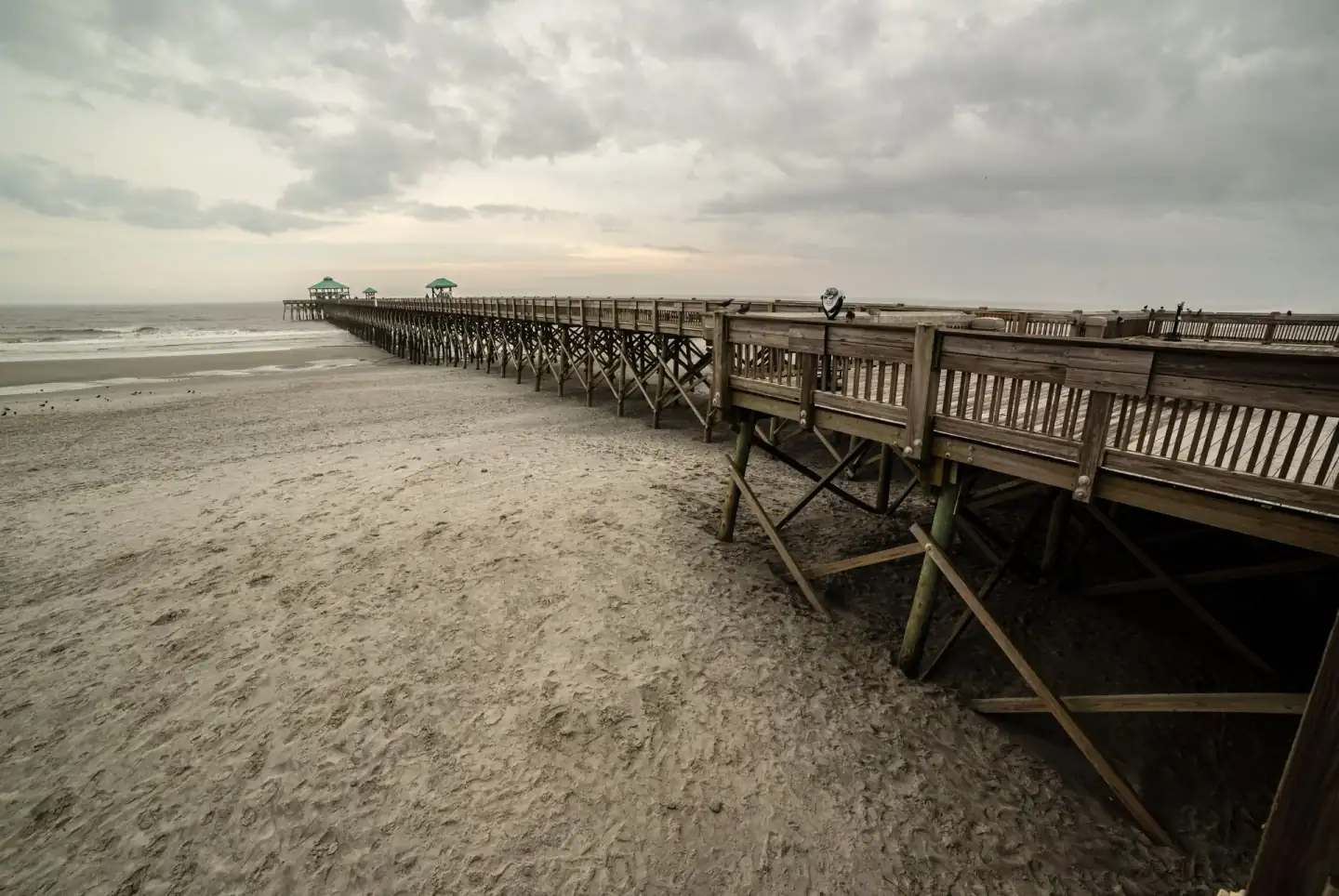
Folly Beach lost nine days later, on procedure. Circuit Judge Thomas J. Rode ruled on August 14 that the city's 800 license cap was enacted by referendum in a way that imposed a tax, a power South Carolina reserves for elected councils, and that its registration fee was a tax in disguise: based on gross revenue, deposited to the general fund, tied to no specific service, the Post and Courier reported. The win was short lived: the council voted to appeal and gave unanimous first reading approval to a moratorium on new licenses, WCBD reported on August 19. Our breakdown of the original ruling is here.
Lincoln County completes the pattern. Across all three cases, the courts asked who enacted the cap, under what authority, and how the money was characterized. Caps adopted by elected bodies under licensing or police power survived; the one that fell was undone by its enactment path, not its substance. Procedural challenges can win, but the wins are fragile, and a city can often re-enact the same policy correctly within weeks. A lawsuit is not a business plan.
What a non-transferable license does to your property's value
Most coverage stops at the courthouse. The bigger story for owners is exit value, because a non-transferable license means the income it produces cannot be sold with the house.
Run the numbers on a hypothetical coastal cottage. As a licensed short term rental it grosses $60,000 a year; as a long term rental at $2,400 a month it grosses $28,800. The difference, $31,200 a year before expenses ($60,000 minus $28,800), exists only because of the license. Where the license conveys, a buyer pays something for that income stream. In Lincoln County the buyer gets no license and has to underwrite the property as a second home or long term rental. The rational buyer pays for the house, not the rental business.
The asymmetry is worth sitting with. While you operate, attrition works for you: every competitor who sells or lapses is removed permanently, and your license grows scarcer each year. The moment you sell, that scarcity value goes to zero. Attrition licensing raises the value of holding and deletes the value of exiting.
What hosts in cap markets should do now
Treat the license as the most fragile asset you own. In an attrition market a lapse is permanent, so renew early and put the renewal date in more than one calendar. Lincoln County runs renewals through its MUNIRevs system with email reminders, per the county; an email filter should not be the thing standing between you and your business.
Ask your licensing authority, in writing, what counts as a transfer. Retitling into an LLC, adding a spouse or heir to the deed, or restructuring for estate planning can look like a change of ownership on paper. Get the county's answer before you touch the title.
Run a clean operation, because enforcement now has teeth. The reinstated provisions are the events ban and the complaint procedure, so a wedding on the lawn or a string of verified complaints is a live threat to the license itself. Where a revoked license is gone forever, compliance is capital preservation, not paperwork.
If you are buying in any capped market, verify in writing that the license conveys before you pay anything for rental income. If it does not convey, price the property off its long term rent and treat a future license as a lottery ticket, not an asset. Rules can also shift underneath a deal while state and local fights play out, a dynamic we mapped in our state preemption explainer.
What to watch next
The Briggs case returns to Lincoln County circuit court with the three reinstated provisions back in force, and the owners can petition the Oregon Supreme Court, which chooses which cases it hears. Folly Beach's appeal and its moratorium's second reading will show whether the procedural win there holds any practical value. The larger question is diffusion: an appellate court has now approved licensing that is capped, zoned, and non-transferable, and city attorneys in other cap markets read the same opinions everyone else does. If your market has a cap fight brewing, study the Lincoln County model, because it is the one that just survived.
For hosts who stay and operate in these markets, the strategic logic shifts. When you cannot add licenses, the business grows only by earning more per stay and bringing guests back, which is the case for owning your guest relationships outright. Haven builds branded direct booking websites for short-term rental hosts with guest CRM and email marketing built in, and charges no booking commission, so the revenue you grow on the license you already hold stays yours.
FAQ
Did the Oregon Court of Appeals uphold Lincoln County's short term rental cap?
Yes. On August 12, 2026, in Briggs v. Lincoln County, the court held the licensing ordinance is not a land use decision, rejected the owners' statutory claims, and reversed the rulings that three provisions were unconstitutionally vague. The case returns to circuit court.
What happens to a short term rental license in Lincoln County when the property sells?
It does not transfer. The buyer would need a new license, and the county suspended processing new applications in August 2023, with 138 owners waitlisted as of August 20, 2026, per KLCC. Buyers should price the property without short term rental income unless the county confirms otherwise in writing.
Are short term rental caps legal in 2026?
Courts upheld two caps and struck one in August 2026 alone. Caps enacted by elected bodies under licensing or police power survived in New Orleans (August 5) and Lincoln County, Oregon (August 12); Folly Beach, South Carolina's cap fell on August 14 because it was enacted by referendum in a way the judge ruled imposed a tax. Legality has turned on how a cap was enacted, not on the concept of capping rentals.
Can I still get a short term rental license in Lincoln County, Oregon?
Not in practice right now. The county suspended processing of new applications by resolution on August 18, 2023, its licensing page directs new applicants to a waitlist, and 138 owners are already waiting for a pool designed to shrink to 181. Check the county's licensing page before making plans that depend on a license.
Why was Folly Beach's cap struck down while Lincoln County's was upheld?
Procedure. Folly Beach's cap was adopted by referendum, and the judge ruled it imposed a tax that South Carolina law says only a council can levy, with a registration fee that functioned as a tax on gross revenue. Lincoln County's program was enacted by its board of commissioners as ordinary business licensing, which the Oregon Court of Appeals held is within the county's authority.