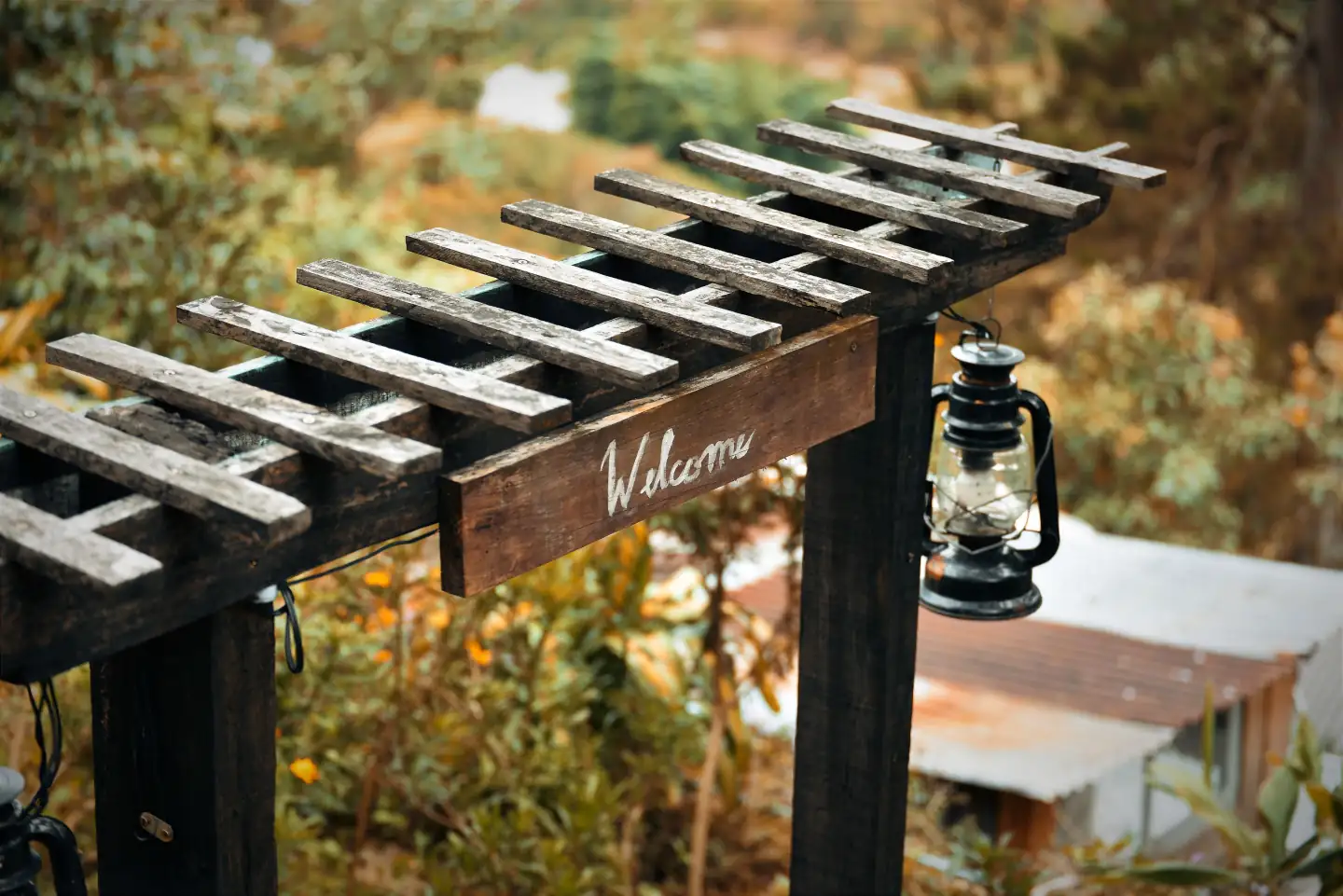
Your Vacation Rental Isn’t Just a Listing. It’s a Brand.

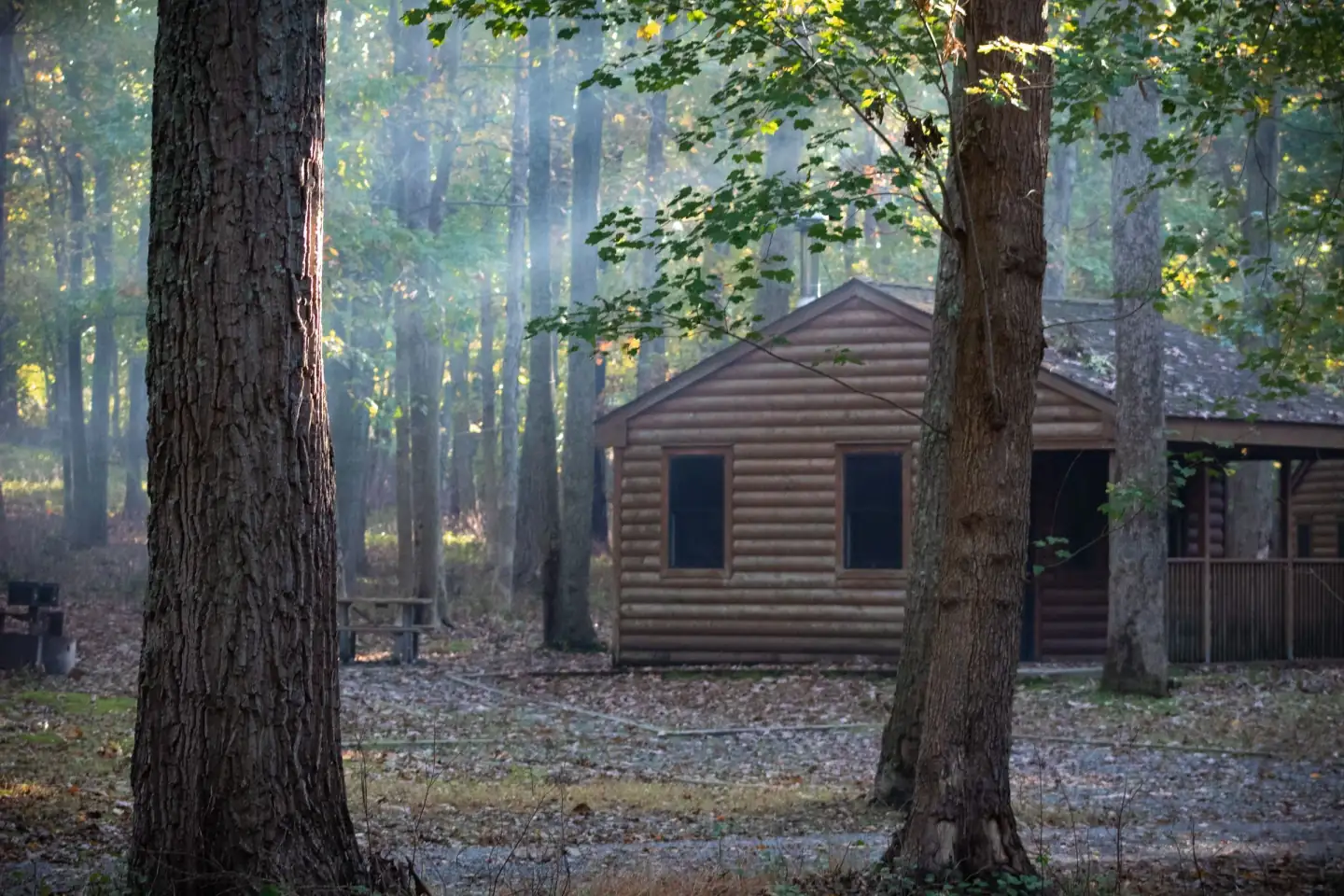
For years, short-term rental owners have been trained to think like listings. On Airbnb and similar platforms, your property exists inside a giant pool of options, so the goal is often to describe it as quickly and clearly as possible: lake house, hot tub, three bedrooms, mountain view, close to downtown.
That model makes sense when your property is one listing among thousands.
Haven changes that.
With Haven, your property has its own website and its own direct-booking presence. Guests are no longer only seeing you inside someone else’s marketplace. They can land directly on your property, learn its story, understand what makes it different, and book with you without having to enter through a massive pool of competing rentals.
That is a very different opportunity.
The moment your property has its own website, it starts functioning less like a listing and more like a hospitality brand. The question is no longer simply, “How do I make this rental stand out on Airbnb?” It becomes, “What is this place, who is it for, and why would someone remember it?”
Think about the places you return to or recommend to friends. Chances are, you remember the name. You remember the inn, the ranch, the cabin, the retreat, or the little house you loved. You probably do not refer to it as “that three-bedroom home with a lake view.”
A property name gives guests something specific to remember, search for, talk about, and share.
If your property is called Sunflower House, then Sunflower House should be the brand. The name should not be buried somewhere beneath a generic title like “Beautiful Home Near the Lake.” It should be part of the identity of the property and carried consistently through the website, social media, guest communications, photography, signage, and everything else the guest encounters.
This is where the opportunity of a direct booking channel becomes much bigger than simply avoiding third-party booking fees.
A dedicated property website gives you room to communicate something that a marketplace listing often cannot: what it actually feels like to stay there.
Who is this place for? Why was it created? What makes it different from the property next door? What kind of experience does it offer? What do you want someone to remember after they leave?
Those questions are the foundation of a hospitality brand.
Branding, however, is not simply a logo or a color palette. In hospitality, your brand is the expectation you create before someone arrives and whether the actual experience delivers on that expectation. Your photography is part of the brand. Your written voice is part of the brand. The linens, lighting, landscaping, amenities, welcome experience, local recommendations, and even the way you respond to a guest inquiry all contribute to the larger impression.
The strongest properties feel coherent. The photography communicates the same feeling as the website, and the website reflects what the guest actually experiences when they arrive. When all of those elements are aligned, the property feels intentional rather than assembled.
That coherence also makes it easier to attract the right guests.
One of the most common mistakes in short-term rental marketing is trying to appeal to everyone. In reality, memorable hospitality usually becomes stronger when a property is clear about who it serves.
A romantic cabin for two can lean completely into being romantic. A lake house designed for multigenerational families can emphasize long dinners, swimming, games, shared spaces, and summer traditions. A quiet forest retreat can focus on solitude, books, firelight, trails, slow mornings, and the absence of noise.
Once you understand who the property is really for, almost every other decision becomes easier. You know which photographs matter most, which amenities are worth investing in, what the website should emphasize, and what kind of guest you are trying to reach. You also begin to recognize which upgrades or marketing tactics may not be necessary at all.
There is a practical business reason to think this way as well.
A branded property is easier for guests to find again.
Someone may first discover you through Airbnb, Instagram, a tourism board, a friend, or a Google search. But if they remember the name of your property, they can find your website directly. Previous guests can share your site. Local businesses can recommend you by name. Social media becomes connected to a recognizable place rather than another generic rental.
Over time, you are building something much more valuable than a single reservation. You are building recognition.
That recognition is the foundation of repeat guests, referrals, word of mouth, and direct bookings.
This is what makes the shift to Haven so important. Haven is not simply giving property owners another place to post a rental. It is giving each property a home of its own on the internet and the ability to build a direct relationship with guests.
And once you have that, it makes sense to start thinking differently about the property itself.
You do not need ten properties to build a hospitality brand. You can begin with one cabin, one farmhouse, one beach house, one apartment, or one small cottage in the woods. The important shift is learning to see the property as more than inventory.
A useful question is to imagine that your property were its own little hotel. What would it be called? What would it stand for? Who would absolutely love staying there? What would guests tell their friends afterward? Most importantly, what would make them remember it three years from now?
Once you begin answering those questions, you stop competing only on bedrooms, amenities, and nightly rates.
You begin creating a place people can actually become attached to.
And that is where a short-term rental starts becoming a destination.
If you want help with that shift for your own property, book a Sanctuary Found consultation.