Fifth Circuit STR Ruling: What Bodin v. New Orleans Changes

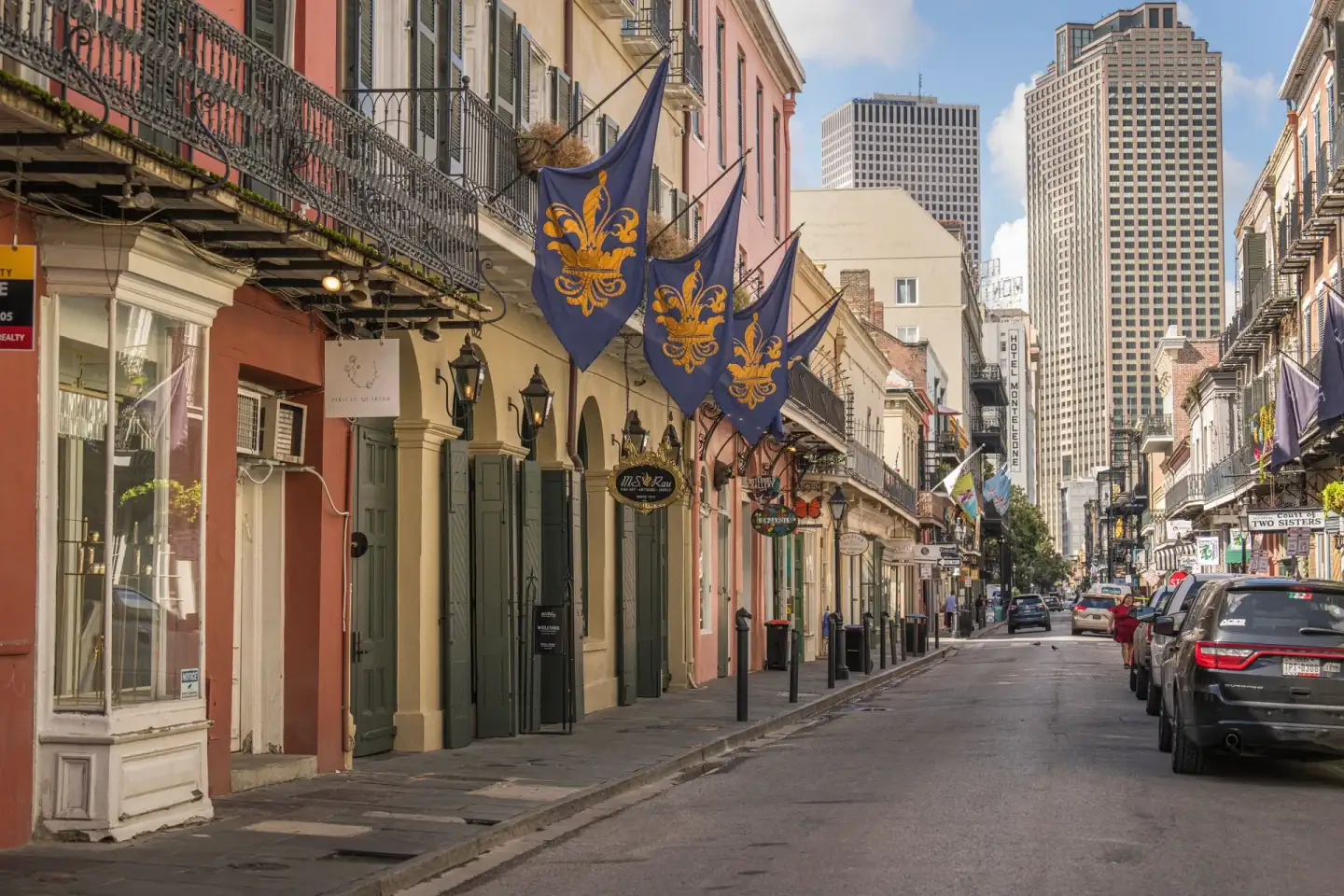
The Fifth Circuit handed New Orleans a complete win on August 5, 2026, and in doing so wrote the enforcement manual that other cities have been waiting for. In Bodin v. New Orleans, No. 25-30524, a three judge panel affirmed the dismissal of claims brought by four hosts, a small rental company, and Airbnb itself. Two ordinances survived intact: a 2023 rule capping short term rental licenses at one per residential block and awarding them by lottery, and a 2024 rule requiring booking platforms to verify a listing's license before a reservation can be processed.
The second ordinance is the one with reach beyond Louisiana. Section 230, the federal statute shielding platforms from liability for what their users post, has long been the industry's answer to municipal policing duties. The panel held that it does not cover a platform's booking and payment functions, because "a duty not to profit from unlawful activity is not a publication function." Every city in Texas, Louisiana, and Mississippi now has binding authority for the most efficient enforcement design available: make the platform the checkpoint, and let unlicensed bookings fail at the payment step.
That design is already being copied. Clark County, Nevada, which contains most of the Las Vegas market, introduced a platform accountability ordinance on August 4, 2026 and set a public hearing for August 18, 2026. Any host operating under a cap, a lottery, or a registration requirement should read Bodin as a preview of how enforcement arrives next.
Key facts
- On August 5, 2026, the Fifth Circuit affirmed the dismissal of every claim on appeal in Bodin v. New Orleans, No. 25-30524, a suit brought by four hosts led by Bret Bodin, Mid-City Mike Rentals LLC, and Airbnb, Inc.
- New Orleans' 2023 ordinance caps residential short term rental licenses at one property per residential block, awards contested blocks by lottery, and bars any person from operating more than one short term rental.
- New Orleans' 2024 ordinance requires booking platforms to verify the legal eligibility of each booking transaction and reverify at least every thirty days.
- The Fifth Circuit held that "a duty not to profit from unlawful activity is not a publication function," placing platform license verification outside the protection of Section 230.
- Clark County, Nevada introduced a comparable platform ordinance on August 4, 2026, with a public hearing set for August 18, 2026.
The two ordinances that survived
Judge James E. Graves Jr. wrote for a panel that also included Judges Wiener and Haynes. It affirmed the district court's dismissal of the hosts' Takings Clause claim, of Airbnb's Section 230 preemption claim, and of the remaining appellate arguments, which the court treated as too cursory to analyze. A separate Fourth Amendment dispute over monthly data reporting was resolved below and never reached the appeal.
New Orleans arrived at this version of its rules the hard way. The city lost in federal court in 2022, when an earlier framework was overturned, after which the City Council redrafted its regulations to address the court's concerns. Airbnb and five individual plaintiffs answered with an eleven count complaint in 2025, and the district court dismissed all but one count in September 2025. Rules drafted with an appellate opinion in hand tend to hold, and these did.
The 2023 measure controls supply: licenses are limited to one property per residential block, contested blocks go to lottery, and no person may operate more than one short term rental. An owner holding three units on a single block can license one of them at most, and none at all if a neighbor's name comes out of the lottery.
The 2024 measure controls enforcement, and it is the part with national consequence. Platforms must verify the legal eligibility of each booking transaction before facilitating it and reverify at least every thirty days. No inspector has to find the listing. No citation has to be written, no hearing won. The reservation simply fails.
How the takings claim came apart
A taking occurs when government appropriates private property or destroys enough of its value that the Constitution requires compensation. The hosts argued the license cap did precisely that, and the panel disagreed on both available theories.
Per se protection attaches only when government physically appropriates property or interferes with the owner's right to exclude. The panel described the right to exclude as "one of the most treasured" rights an owner holds, then declined to invert it into a right to include paying guests.
The regulatory analysis weighs economic impact, investment backed expectations, and the character of the government action. Claimed losses, including one host's asserted $20,000 per year, drew only slight weight, and the court called it unreasonable to expect residentially zoned property to stay free of rental regulation. Character settled the balance: the ordinances amounted to a "reasonable zoning regulation" furthering the city's interests. Local coverage put the practical holding plainly, that the rules frustrated the owners' short term ambitions but took nothing from them, because those owners can still rent the same properties long term.
A cap can erase a property's entire short term revenue model and still survive constitutional review, provided a long term rental market exists for it.
Section 230 stops at the payment button
Section 230 of the Communications Decency Act bars treating a platform as the publisher of content its users submit, and platforms have leaned on that language for years to resist local policing mandates. Bodin separates publishing from transacting. Displaying an unlicensed listing is publishing. Processing the reservation and taking a percentage of it is not. Since "a duty not to profit from unlawful activity is not a publication function," the booking verification duty stands, while removal of the unlicensed listing itself stays a matter of the platform's business judgment rather than legal obligation.
The verification mechanics survived on related reasoning. Hosts hand license information to the platform directly, so eligibility checks run on data the court described as distinct, internal, and nonpublic, with no monitoring of public listing content involved. A city that drafts to the transaction and relies on internal license records now has a circuit opinion saying Section 230 is not in its way.
Airbnb rejects the reasoning. A spokesperson said the decision "overlooks the constitutional rights of New Orleans homeowners" and pointed to a claim that more than 60 percent of local hosts rely on home sharing to afford to stay in their homes.
Where the model travels next
Inside Texas, Louisiana, and Mississippi, Bodin binds, and any city attorney drafting a cap or a verification mandate will be citing it shortly. Outside the circuit it is persuasive authority, which is often enough. Clark County's ordinance, introduced August 4, 2026, would bar hosting platforms from processing payments for unlicensed rentals, require electronic license verification, put license details on listings, and force immediate deactivation of unregistered properties, with a public hearing set for August 18, 2026. Airbnb has objected there as well, warning that the county risks eliminating a large portion of accommodation options for visitors and millions in tax revenue.
Pulling the other direction is state preemption. Idaho and Indiana laws that took effect July 1, 2026 strip rental regulation authority from local governments, and hosts in those states hold real insulation from Bodin style caps. We walked through the mechanics in our breakdown of what the July 1 preemption laws in Idaho and Indiana actually change. The national map is splitting rather than converging: some legislatures are taking this power away from cities in the same season the Fifth Circuit is confirming how much of it an unpreempted city holds. The 2026 state-by-state table shows which column each state sits in. That is the same split Haven Research prices as the cost of staying legal.
What changes for hosts
Enforcement moves from the sidewalk to the payment rail. An expired or mismatched license number now stops reservations on its own, with no inspector at the door and no hearing at which to explain. Because the New Orleans model requires reverification every thirty days, a lapse that once produced a warning letter produces a listing that quietly stops converting instead. Expect sweeps rather than citations.
There is a channel risk buried in this as well. When enforcement runs through booking infrastructure, a fully licensed host's revenue depends on some verification system reading their paperwork correctly, every thirty days, indefinitely. A direct booking site does not exempt anyone from licensing rules. What it offers a licensed operator is a channel where a database mismatch cannot switch off reservations without warning, and where the guest relationship stays in house, which is much of why more hosts are moving guests off Airbnb and booking direct. Haven builds that: a branded direct booking site on your own domain, with no booking commission, where you keep the guest data. Compliance stays your job either way; resilience is the point.
What to do before your next renewal
Confirm your license posture now rather than when a renewal notice lands. The check that matters is narrow: the license number on file with every platform must match the number your city shows as active, exactly. Verification is automated, and a transcription error reads the same to a machine as an expired permit.
Then map your exposure. An owner holding multiple units on one block should know which unit carries the license and what happens to the others before a lottery result forces the question. Operational requirements are tightening on the same trajectory, a pattern we traced in our look at why more cities are requiring a one hour response from short term rental hosts. Obligations that used to be enforced by complaint are increasingly enforced by system.
What to watch
August 18, 2026 is the near date. If Clark County's ordinance advances intact, the Las Vegas market becomes the largest test of platform side enforcement outside the Fifth Circuit. In Texas and Louisiana, watch for copycat drafting from city attorneys who now have binding authority behind them. And watch Airbnb's next filing. Absent rehearing or Supreme Court review, the cap, the lottery, and the thirty day reverification cycle are all good law.
FAQ
Did Airbnb lose its lawsuit against New Orleans?
Yes. On August 5, 2026, the Fifth Circuit affirmed the dismissal of Airbnb's Section 230 claim and the hosts' takings claim in Bodin v. New Orleans. The license cap, the lottery, and the platform verification requirement all remain in force.
Can a city limit short term rental licenses to one per block?
In Texas, Louisiana, and Mississippi, yes. Bodin treats a one license per residential block lottery as reasonable zoning rather than a taking. Outside the circuit the opinion is persuasive but not binding, and hosts in preemption states such as Idaho and Indiana, as of July 1, 2026, have state level protection from local caps.
Can cities force Airbnb to block unlicensed bookings?
Cities in the Fifth Circuit can require platforms to verify license eligibility before processing bookings and reverify every thirty days, because the court held that booking and payment are not publication functions shielded by Section 230. The duty attaches to the transaction rather than the listing. A platform may keep displaying an unlicensed property while being barred from profiting on a reservation for it.
Is a short term rental cap a taking that requires compensation?
Not under Bodin, so long as owners remain able to rent long term. The panel gave claimed losses, including one host's $20,000 per year, only slight weight, reasoning that the properties kept their value in the long term rental market.
What happens to my listing if my license lapses in a verification city?
Under the New Orleans model the platform must reverify eligibility at least every thirty days, so a lapsed license means it can no longer process your bookings. The listing may well stay visible while producing nothing. Treat the renewal date like a mortgage payment and confirm the license number on file with each platform matches your city's records exactly.
Sources
Reviewed October 13, 2026.
- Bodin v. City of New Orleans, No. 25-30524 (5th Cir., August 5, 2026), opinion by Judge Graves, via the Fifth Circuit Court of Appeals
- New Orleans City Council statement on the ruling — August 2026
- FOX5 Las Vegas, Clark County proposal would ban platforms from taking payments for unlicensed short-term rentals — July 29, 2026
- Airbnb statement on the ruling, as quoted in local coverage — August 2026
- Haven Research, The Cost of Compliance in U.S. Short-Term Rental Regulation — August 24, 2026 snapshot