What is restorative hospitality?
We talk a lot about wellness in terms of treatments, amenities, programs, and products: a spa menu, a meditation app in the room, a wellness package added onto a stay.
But restoration can begin long before any of those things—with the light in a room, the sounds around us, the food we eat, the materials we touch, the landscape outside the window, the people caring for the space, and whether the environment allows us to truly rest.
The place is part of the healing
This is the question that has shaped the work behind Sanctuary Found: what if the place itself is part of the healing?
That asks something very different of a property. Not simply, How does this look in a photograph? but How does this place affect the way someone feels after a day, a night, or several days here?
That shift—from appearance to experience—is at the heart of restorative hospitality.
What it looks like in practice
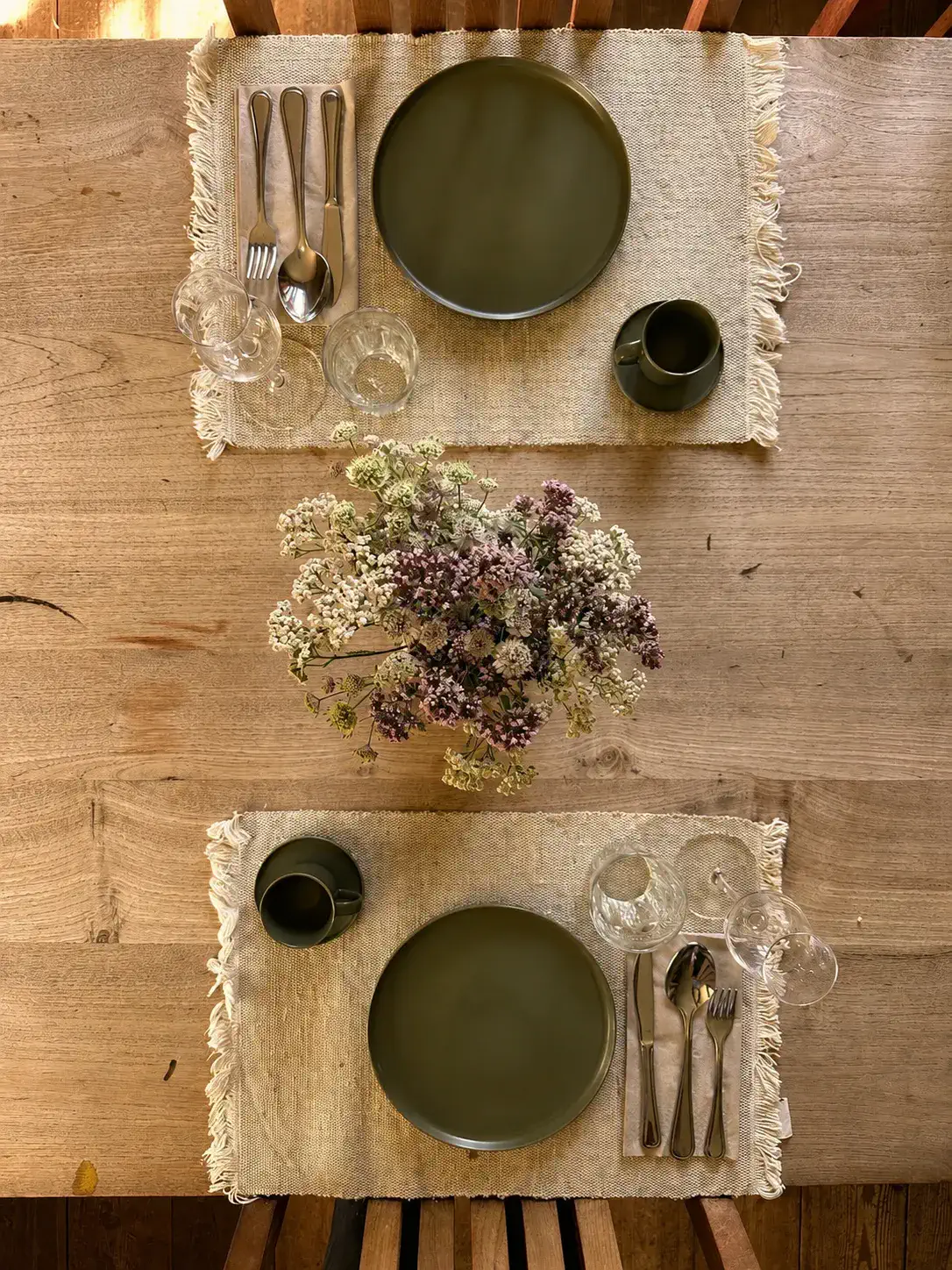
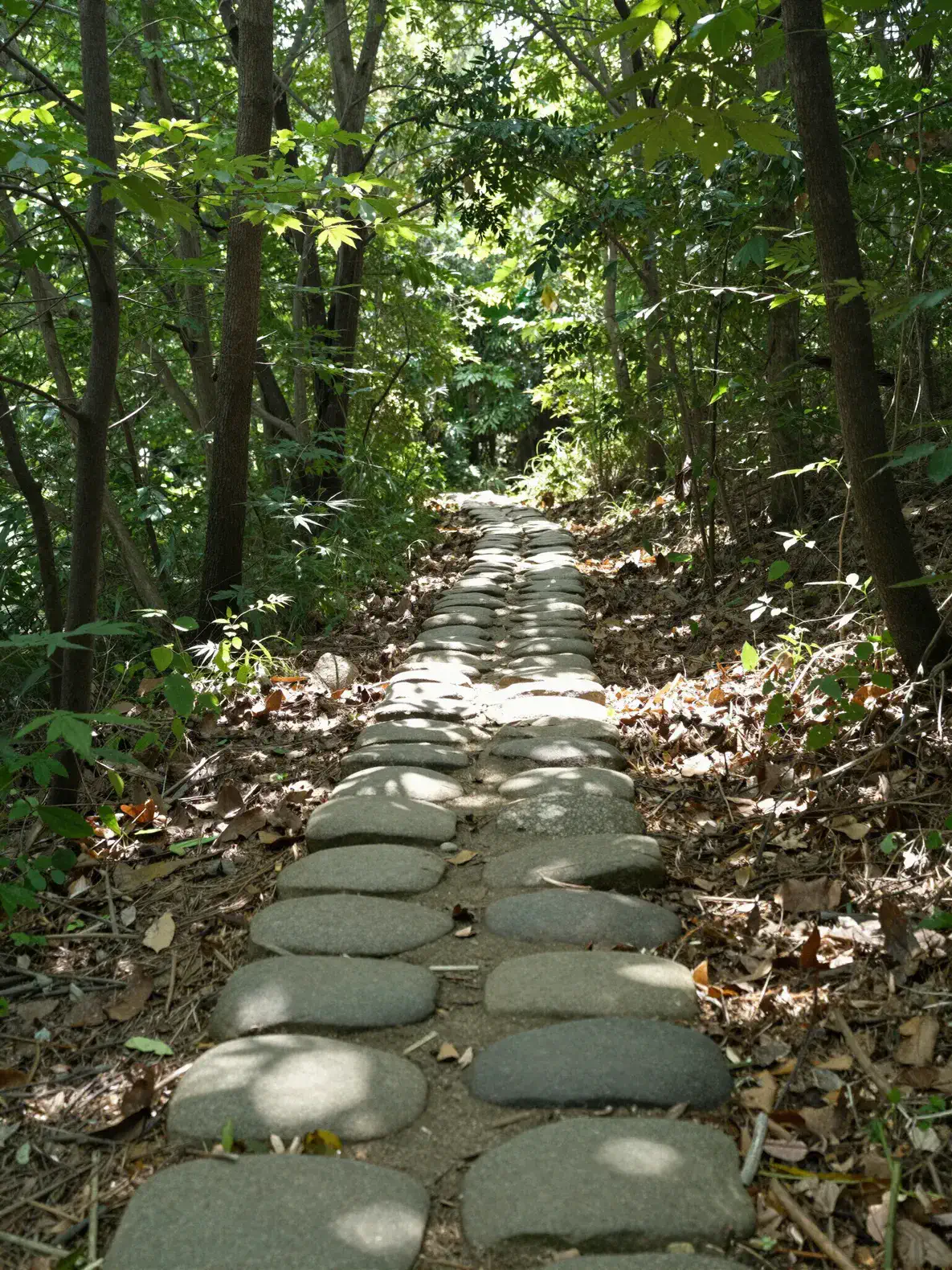
At Vita Krala, in the forest country of Närke, restoration is not something added on as a program. It is built into the place itself: clay walls in the bedrooms, food shaped by what is growing nearby, time outdoors, a slower rhythm, and hosts who are part of the experience rather than separate from it.
Nothing feels excessive or overdesigned. The restoration comes from coherence—place, people, food, materials, and pace all working together.