Qu'est-ce que l'hospitalité restauratrice ?
Nous parlons beaucoup de bien-être en termes de traitements, de commodités, de programmes et de produits : un menu de spa, une application de méditation dans la chambre, un forfait bien-être ajouté à un séjour.
Mais la restauration peut commencer bien avant toutes ces choses — avec la lumière dans une chambre, les sons qui nous entourent, la nourriture que nous mangeons, les matériaux que nous touchons, le paysage extérieur de la fenêtre, les personnes qui s'occupent de l'espace, et si l'environnement nous permet de vraiment nous reposer.
Le lieu fait partie de la guérison
C'est la question qui a façonné le travail derrière Sanctuary Found : et si le lieu lui-même faisait partie de la guérison ?
Cela demande quelque chose de très différent d'une propriété. Pas simplement, À quoi cela ressemble-t-il sur une photo ? mais Comment ce lieu affecte-t-il la façon dont quelqu'un se sent après une journée, une nuit ou plusieurs jours ici ?
Ce changement — de l'apparence à l'expérience — est au cœur de l'hospitalité restauratrice.
À quoi cela ressemble en pratique
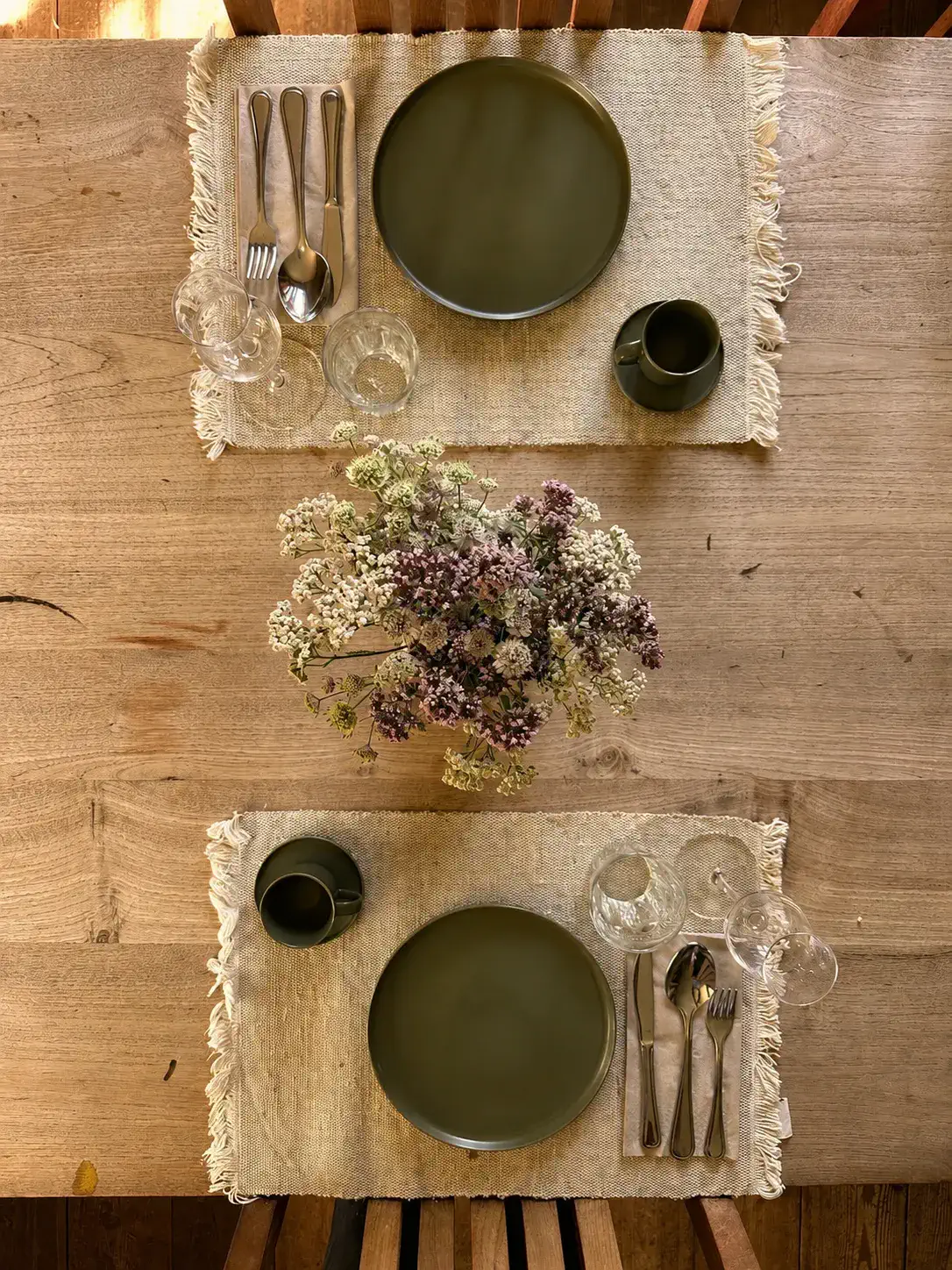
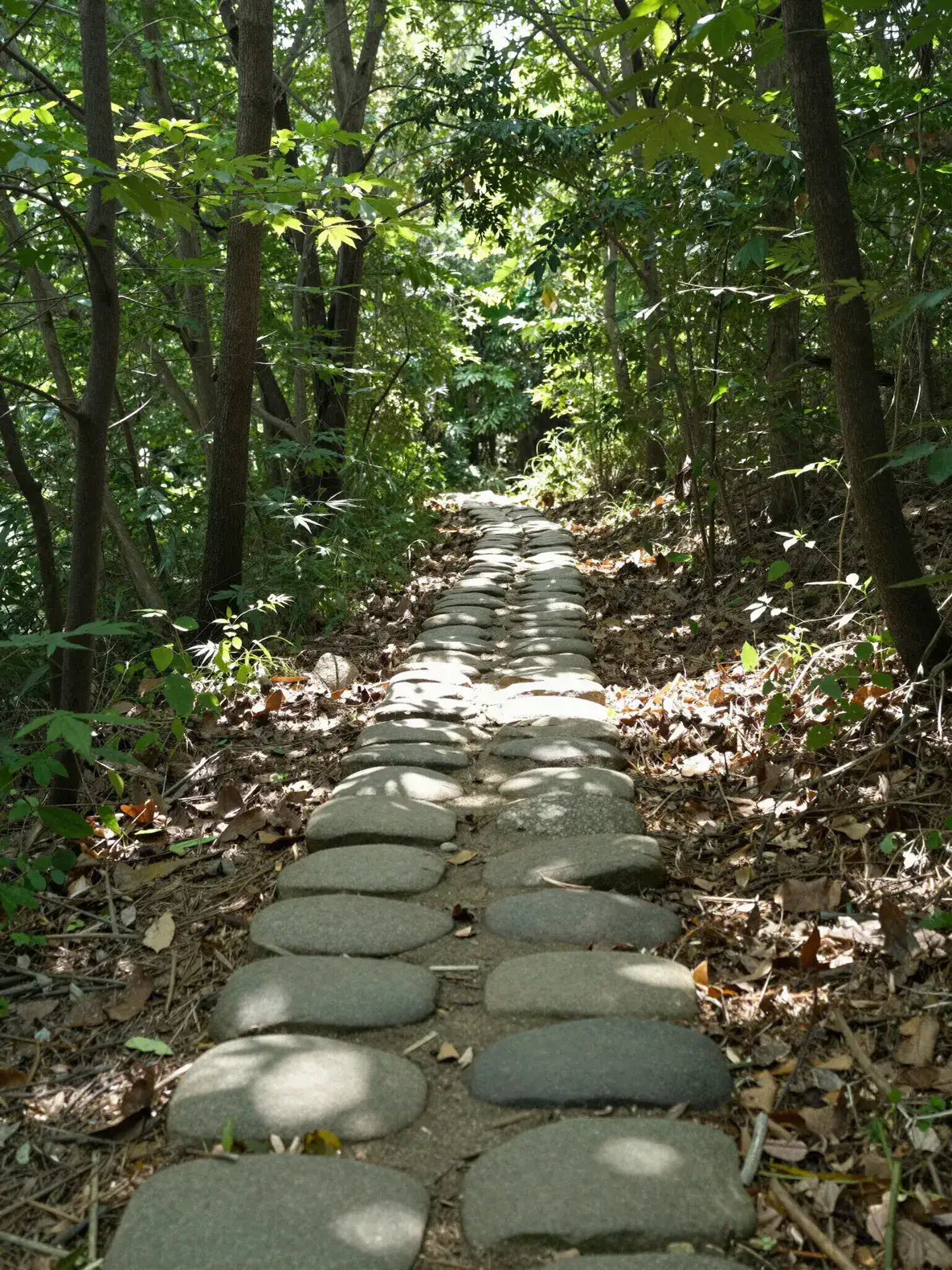
À Vita Krala, dans le pays forestier de Närke, la restauration n'est pas quelque chose d'ajouté en tant que programme. Elle est intégrée au lieu lui-même : des murs en argile dans les chambres, une nourriture façonnée par ce qui pousse à proximité, du temps passé à l'extérieur, un rythme plus lent, et des hôtes qui font partie de l'expérience plutôt que d'en être séparés.
Rien ne semble excessif ou trop conçu. La restauration provient de la cohérence — lieu, personnes, nourriture, matériaux et rythme travaillant tous ensemble.