
Your Logo Is Not Your Brand
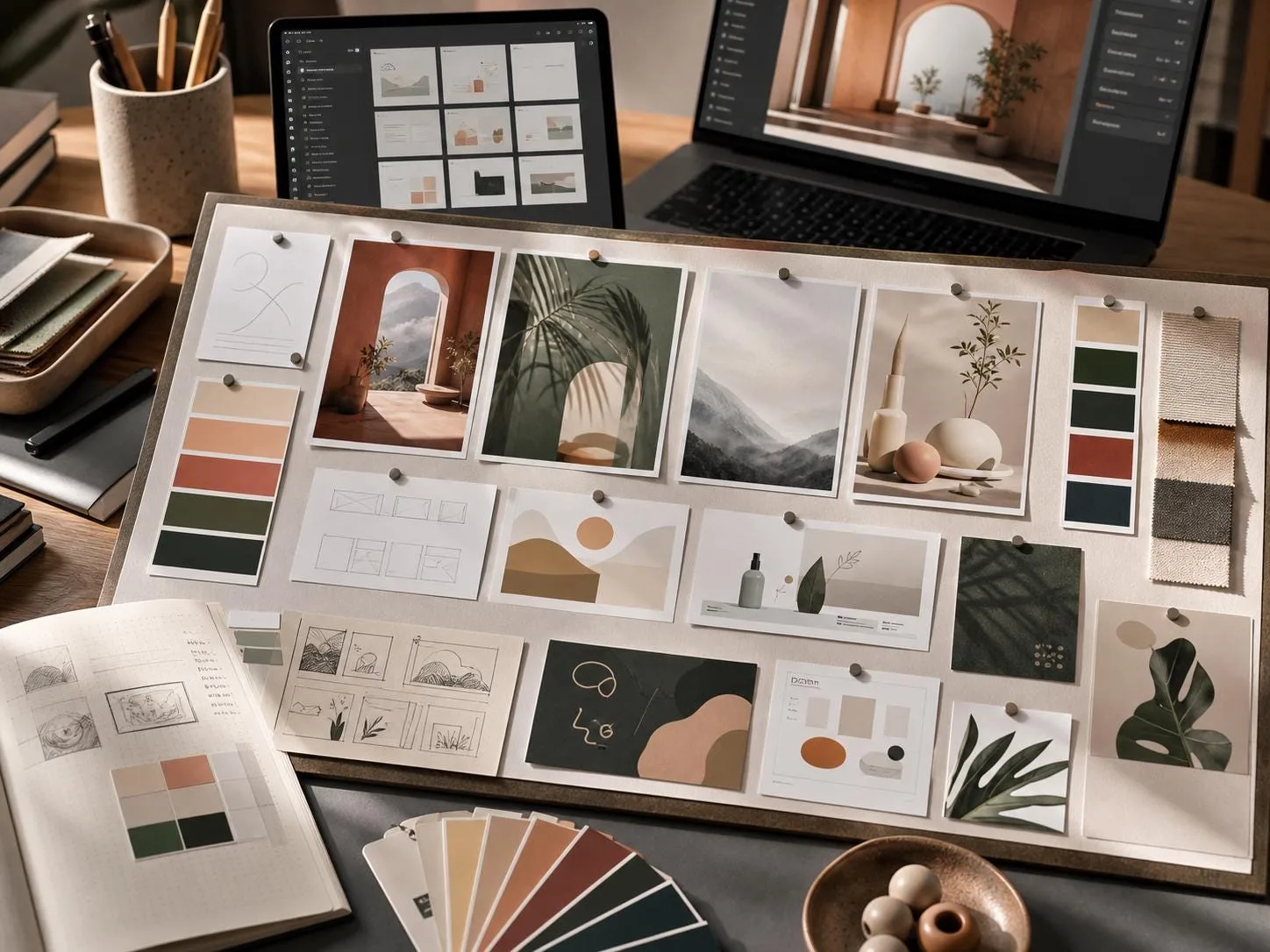
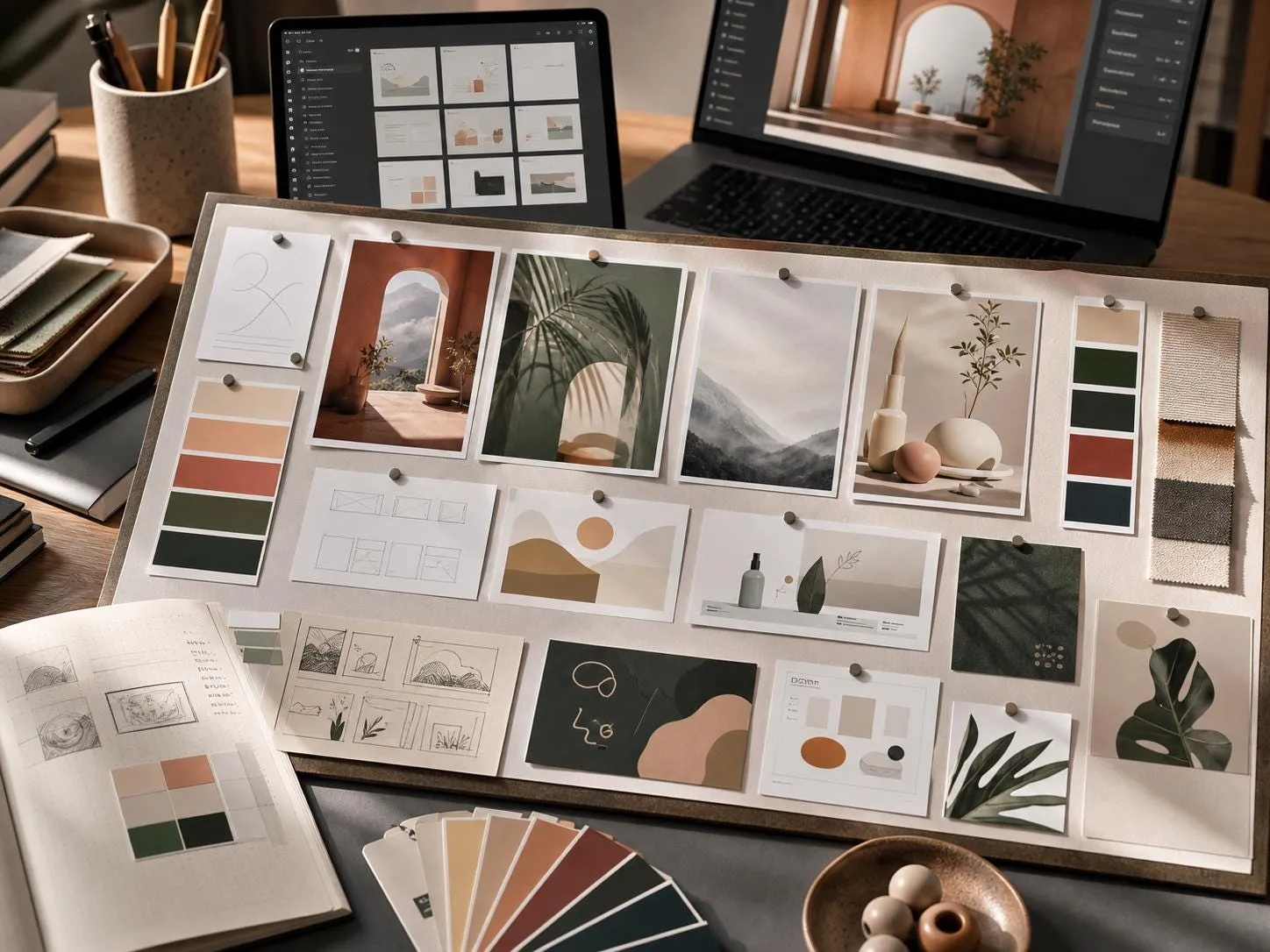
I ask business owners all the time if they have a brand, and almost inevitably, they say, “Yes, I have a logo.” That is not what I asked. A logo is part of your brand. It can be an important part of your brand, but your logo is not your brand.
Your brand is the entire system that tells people who you are, what you do, who you are for, what you value, how you sound, how you look and, perhaps most importantly, how you make people feel. Your logo is simply one visual representation of all of that.
This distinction used to matter mostly to larger companies because developing a professional brand identity could be expensive. You might hire a branding agency, a designer, a copywriter, a photographer and a strategist just to get all the pieces aligned. Today, there is really no excuse for a business not to have at least a basic brand kit because AI has changed the accessibility of this dramatically.
You can sit down with ChatGPT and explain your business, your customer, your personality, your goals, the feeling you want the company to evoke, the businesses and aesthetics you are drawn to, and where you ultimately want the company to go. From that conversation, you can develop a surprisingly sophisticated brand foundation. That doesn’t mean AI replaces taste, experience or strategy. It means tools that used to be available primarily to companies with substantial marketing budgets are now available to almost everyone.
So what should actually be in a brand kit? At minimum, you should understand your brand positioning: what you do, who you do it for and why someone should choose you instead of another option. You should have a clear description of your ideal customer, not simply their age and income, but what they care about, what they’re looking for, what problem they’re trying to solve and what they want to feel when they encounter your business.
You should understand your brand personality. Are you sophisticated, warm, irreverent, minimal, rugged, rebellious, elegant, playful, academic or earthy? You should have a defined voice and tone so that whether someone is reading your website, an email, a social media post or a proposal, it feels like it came from the same company.
Then there is the visual identity. Yes, this includes your logo, but it also includes your primary and secondary fonts, color palette, logo variations, iconography, photography direction, graphic style, layouts and guidelines for how all of those pieces work together. You should know what kind of photographs belong in your brand and what kind absolutely do not. You should know whether your imagery is bright or moody, polished or candid, minimal or layered, contemporary or nostalgic. You should know whether your graphics use rounded edges or hard lines, whether your colors are saturated or muted and whether the overall visual language feels luxurious, approachable, playful, serious, masculine, feminine or somewhere in between.
Your brand kit should also address your messaging. What is the simplest way to explain what you do? What is your value proposition? What are the three or four ideas you want people to consistently associate with your company? What language do you repeatedly use, and what language do you intentionally avoid? What does your homepage say? What does your Instagram bio say? How do you introduce yourself in person? What do you want someone else to say about your company when you aren’t in the room?
All of that is branding, and once those decisions are made, running the business becomes so much easier. You’re no longer reinventing your Instagram every week or choosing random fonts in Canva. You’re not writing one webpage that sounds luxurious and another that sounds like your cousin posted it on Facebook. You’re not redesigning your business card every six months because something still feels off. You have a system, and every time the business shows up somewhere, it reinforces the same identity.
When I build or refine a brand with a client, what I am really trying to create is consistency between the quality of the business and the way the business presents itself to the world. There are some extraordinarily talented people running businesses that look dramatically less sophisticated than the work they actually do, and that costs them money.
People make assumptions very quickly. Before someone experiences your work, they experience your brand. They see your website. They see your photographs. They read a few sentences. They look at your Instagram. They notice your pricing and presentation. And consciously or unconsciously, they begin deciding where you belong in the market: inexpensive or premium, experienced or amateur, interesting or generic, trustworthy or questionable, relevant to them or not for them.
Your brand is helping people make those decisions whether you intentionally created it or not. Because every business already has a brand. The question is whether you designed yours.
The good news is that creating the foundation doesn’t have to be complicated anymore. You don’t need a fifty-page agency presentation to begin. You need clarity about who you are, who you’re talking to, what you want to communicate and how all of that should consistently show up visually and verbally. And ChatGPT is an incredibly useful tool for working through those decisions and turning them into an actual brand guide you can use.
So yes, get a great logo. Just don’t stop there. Your logo is not your brand. It’s one small piece of the much bigger story your business is telling every single day.
And if you’ve never actually created a full brand kit for your business, I’m going to make this ridiculously easy. I’ve created the AI prompt I use to help develop a complete brand foundation. You can grab it for free below, paste it into ChatGPT and start building yours.
AI Prompt: Build My Complete Brand Kit
I want you to act as a senior brand strategist, creative director and marketing strategist and help me develop a complete, cohesive brand foundation for my business.
Do not jump straight into creating the brand. First, interview me so you understand the business deeply. Ask me questions conversationally, in manageable groups, and use my answers to ask smarter follow-up questions. If I don’t know an answer, help me figure it out rather than simply moving on.
I want you to understand:
-
What my business does and what I currently sell
-
The products, services and offers I may want to sell in the future
-
My short- and long-term vision for the company
-
Who my ideal customers are
-
What problems I solve for them
-
What they want, value, fear, desire and aspire to
-
Why someone should choose me instead of my competitors
-
What makes my business genuinely different
-
My experience, expertise, story and credibility
-
The personality I want the brand to have
-
How I want people to feel when they encounter the brand
-
The brands, businesses, places, aesthetics and experiences I am naturally drawn to
-
What I absolutely do not want my brand to look or sound like
-
Where and how the brand will be used: website, social media, print, packaging, signage, presentations, advertising, etc.
-
The price point and market position I want the brand to support
-
Where I want this business to be in three to five years
Challenge me when my answers are vague, generic or inconsistent. Don’t simply agree with everything I say. Help me identify what is distinctive, ownable and strategically useful.
Once you have enough information, create a complete brand kit that includes:
Brand Foundation: Write a concise description of the brand, its purpose, mission, vision, values, positioning and unique value proposition. Define what category the business belongs in and where it should sit within that market.
Ideal Client: Develop a detailed ideal-client profile that goes beyond demographics. Explain what this person wants, what problem they are trying to solve, what motivates their buying decisions, what they value, what may prevent them from purchasing and what they need to believe before choosing this brand.
Brand Positioning: Explain how the business should be positioned relative to its competitors and identify the 3–5 ideas I should work to become known for. Include a clear positioning statement and a simple one- or two-sentence explanation of what the company does.
Brand Personality: Choose 4–6 defining personality traits and explain what each means in practice. Also define what the brand is not so future marketing doesn’t slowly drift away from the intended identity.
Voice & Tone: Create detailed guidelines for how the brand speaks and writes. Include vocabulary we should use, language and clichés we should avoid, sentence style, level of formality, sense of humor if appropriate, and examples showing what sounds “on brand” versus “off brand.”
Core Messaging: Develop the primary brand message, value proposition, tagline or tagline directions, elevator pitch, short company description, longer company description and key messaging pillars. Give me language I can actually use rather than generic marketing terminology.
Visual Direction: Recommend an overall visual identity that supports the positioning. Describe the aesthetic, mood and emotional impression the brand should create.
Color Palette: Recommend a primary and secondary color palette with HEX codes. Explain the role of each color and how it should be used rather than simply giving me a collection of colors.
Typography: Recommend specific, readily available fonts for headlines, subheads, body copy and accents if needed. Explain why they work together and provide alternatives if the first choices aren’t available.
Logo Direction: Do not simply generate a random logo. Give me 2–3 strategically appropriate logo directions, including wordmark, icon or monogram ideas where appropriate. Explain what the logo should communicate, how simple or complex it should be and what should be avoided.
Photography & Imagery: Create an art direction guide describing subject matter, composition, lighting, environments, people, styling, texture, editing and overall mood. Include specific examples of images that belong in the brand and images that do not.
Graphic System: Recommend supporting visual elements such as shapes, borders, line work, patterns, illustrations, icons, textures and layout principles so the brand can remain recognizable even when the logo isn’t present.
Brand Application: Show me how this identity should translate across my website, Instagram/social media, business cards, proposals, presentations, email marketing and any other important customer touchpoints for my particular business.
Quick-Reference Brand Guide: Finally, condense everything into a practical one-page reference that I can give to a graphic designer, web designer, virtual assistant, social media manager, copywriter or AI tool so they can create work that consistently stays on brand.
Make the recommendations specific to my business. Avoid generic branding language and trendy choices simply because they are popular right now. Every recommendation should have a strategic reason behind it.
Most importantly, build a brand that can grow with where this company is going — not just where it happens to be today.
Start by interviewing me. Do not create the brand kit until you’ve gathered enough information to understand the business.
Originally published on Substack.