
Where to stay for a Seattle assignment
By STAYOO team · August 12, 2026
field-notes6-min-read
STAYOO Suites: fully furnished suites in four interior styles, with private bathrooms and kitchen facilities. STAYOO Homes: unique houses, townhomes, and condos, with more room to live and STAYOO-managed cleaning, maintenance, and guest support.
Hear first when this host opens direct rates or adds a new place.

Your Furnished Home for Flexible Living
Furnished stays of 30 nights or more across Greater Seattle. For corporate stays, insurance housing, and relocation.
*New inquiries during business hours. In-stay guest support is available 24/7.
Your Seattle home base
⌖ 15 Dravus Street, Seattle. A queen bed, private bathroom, and kitchen facilities. Choose the suite style that suits your stay. Near Adobe · Fremont, Tableau / Salesforce, Google · Fremont, the Fremont Bridge and Gas Works Park.
STAYOO · Last Minute Deals
Monthly offers for stays of 30+ nights. Send an inquiry to confirm dates and terms.
Two ways to feel at home
Both collections offer furnished homes and local support for stays of 30 nights or longer.
Tell us what you need. Our local team will reply with matched homes, current photos, and a clear monthly quote. Availability changes daily. Share your needs and we’ll check current and upcoming options across Greater Seattle.
Plan your stay
Explore more housing questions in Field Notes.

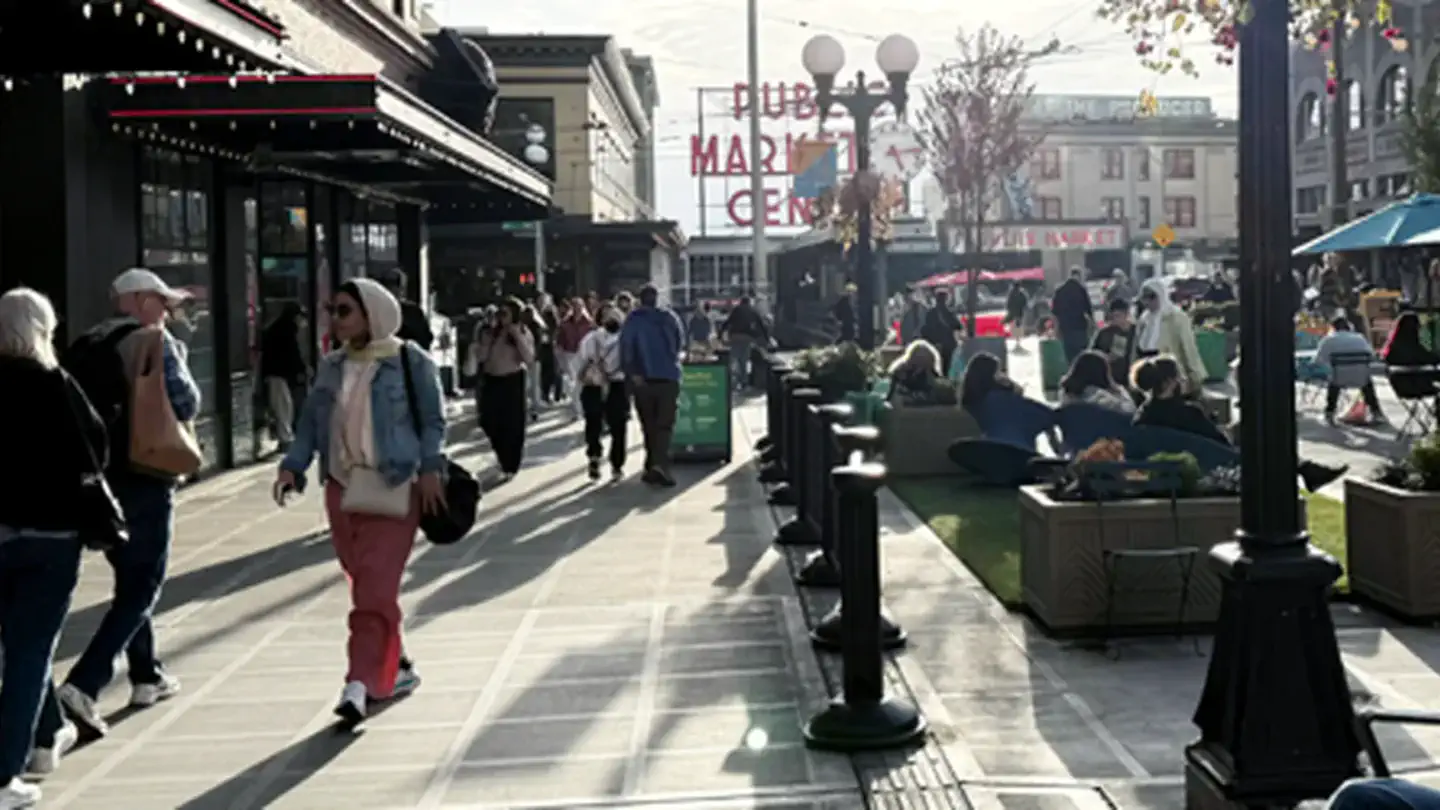
Seattle transportation guidance makes clear that the city is navigated by a mix of transit, walking, biking and driving. For an extended assignment, the right neighborhood begins with the actual door-to-door trip at the time it will happen. Original source · Seattle Department of Transportation
There is no best neighborhood—only the one that makes the actual workday easier.

Photo: Joe Mabel · Wikimedia Commons · CC BY-SA 3.0
There is no “best Seattle neighborhood” for a work assignment. There is only the neighborhood that makes your particular workday easier without making the rest of the month unlivable.
Seattle is compact on a map and surprisingly specific in motion.
Water, hills, bridges, freeway chokepoints and campus boundaries can turn a short distance into a complicated trip. A listing described as “minutes from downtown” tells you almost nothing about a job in Bellevue, a night shift at Harborview or a project split between South Lake Union and the Eastside.
The usual neighborhood guide begins with restaurants and personality. A 30+ day work stay should begin with the door you must reach every morning.
Pick the commute first. Then make sure the neighborhood can support the life that happens after work.
Use the exact worksite and actual travel hours to create a commute boundary. Decide whether the trip will be by car, transit, walking or a mix. Only then compare furnished homes inside that boundary for groceries, parking, sleep, work setup and weekend routine.
Do not choose from a citywide list and hope the commute works later.
Large employers, construction projects, medical systems and universities may have several addresses. Get the building or campus, expected entrance and number of on-site days.
If the assignment uses two worksites, map both. Decide whether one is primary or whether a central location truly reduces the combined travel. “Halfway” geographically can be poor for both routes.
Define the maximum acceptable door-to-door time on a normal workday. Include the walk to transit, waiting, transfers, parking and the final walk inside a campus.
Test at the real hours. King County Metro, Sound Transit and the regional ORCA system publish current route and fare information, but service frequency varies by route and time. Save at least one fallback trip for early, late or disrupted service.
These are starting points, not universal recommendations:
Look first for a walk, one-seat transit trip or short connection. Parking may be less important than late access, building entry and street noise. A hospital worker should map the employee entrance, not simply the campus pin.
Nearby neighborhoods can reduce the trip, but compare the exact north–south route and parking before assuming proximity. Queen Anne, Uptown, downtown and parts of Fremont can produce very different daily routines.
Prioritize the correct campus, Link or bus connection, and any shift-time gap. The University District, Roosevelt, Wallingford and nearby northeast Seattle areas may be relevant depending on the destination and household.
Northgate, Licton Springs and surrounding areas can be practical starting points. Confirm the final bus or walk from regional transit and whether a car is still needed for the worksite.
Do not assume a Seattle address is automatically better. Compare an Eastside home with a cross-lake commute against the traveler’s after-work needs, vehicle and transit options. A family may value Eastside proximity differently from a solo traveler who also has frequent Seattle meetings.
Favor reliable access to the primary site and a tolerable secondary trip rather than chasing a mathematically central point. Ask whether occasional rideshare, mileage or parking can be part of the assignment plan.
Once the travel boundary is set, check the home for:
The shortest commute can still be the wrong answer if the rest of the household cannot function.
Sources and verification
Official and established sources support the factual claims. Community discussions helped identify the questions people repeatedly ask; they were not treated as proof on their own.
A Stayoo home that fits this need
Seattle · Live listing · 3 beds · 2 bath s · Up to 6
A practical option for an assignment connected to South Lake Union when parking, a gym and a full-home setup matter.
Confirm before booking: It is only a strong match after the exact office, shift and door-to-door route are confirmed.