If you own a waterfront short‑term rental in Gloucester, MA, great management means daily guest care, per‑stay dock and small‑craft checks, hot‑tub service, and year‑round storm readiness—with city alerts turned on. Below is the month‑by‑month checklist we actually run at our Gloucester home so you can benchmark any provider. It’s for Cape Ann owners comparing managers or turning a personal waterfront into a rental in 2026 and beyond.
Key takeaways
Great Gloucester waterfront management pairs guest ops with dock, hot‑tub, and small‑craft routines at every turnover.
As of 2026, the city’s official emergency notices are Gloucester Emergency Alerts (powered by Smart911); we enroll owners and on‑site contacts so everyone gets the same warnings at once (City of Gloucester).
A per‑stay waterfront checklist should document dock hardware, ladders, lines, and safety gear—with photos in your owner report.
Hot‑tub water chemistry needs pre‑arrival balancing, mid‑stay checks on longer bookings, and a full turnover service after each stay.
Seasonal work in Gloucester includes storm hardening, freeze protection, small‑craft rotation, and post‑event inspections the same day conditions allow.
Quick answer: What a waterfront manager handles in Gloucester
From our own operations at The Dock House (a Gloucester home with a private deep‑water dock, a heated hot tub, kayaks, and a six‑person Lund dinghy), here’s the baseline scope we actually run per stay and per season.
Weekly: hot‑tub water balance and service; exterior walk‑through; consumables and propane checks.
Per stay: dock and ladder inspection; small‑craft inventory and condition; safety gear count; hot‑tub turnover; fireside area reset.
Seasonal: storm hardening, freeze protection, small‑craft rotation and service, grounds and gutter work, and scheduling marine specialists when needed.
Always on: we enable the city’s Gloucester Emergency Alerts (powered by Smart911, per the City of Gloucester) and maintain weather watch during coastal events as of 2026.
Where on Cape Ann does this waterfront playbook apply?
This applies to Gloucester and wider Cape Ann homes along the tidal rivers and open‑water edges—think the Annisquam River, plus beachfront areas by Wingaersheek Beach and Good Harbor Beach. Our on‑water routines were built for a Gloucester home with a private deep‑water dock and guest‑use small craft, and the same patterns fit similar Cape Ann properties. If your place adds unique features (for example, a different ladder type or mooring access), we fold those into the same checklists.
Month‑by‑month: the Gloucester waterfront calendar
What we schedule across the year for a dock‑and‑hot‑tub home in 2026. Adjust the cadence to your exposure and booking volume.
January–February: freeze protection checks; storm‑window and door sweeps; ice and wind‑damage walk‑downs; priority vendors on standby for glass, electrical, plumbing, and spa.
March: spring commissioning plan; book exterior wash and paint touch‑ups; dock/float hardware check; prep kayaks and the six‑person dinghy; confirm safety gear counts.
April: landscaping start‑up; hot‑tub deep service; preseason safety review with owners; confirm guest‑facing small‑craft rules in the digital house manual.
May: guest‑season ramp‑up; publish water‑use and dock rules; launch small craft by conditions; verify dock ladders and cleats after first heavy‑use weekends.
June: mid‑season QC of outdoor lighting, railings, stairs, and dock lines; scan guest feedback for patterns (wayfinding, craft access, hot‑tub tips) and update the guide.
July: peak‑season cadence—48‑hour exterior checks during heat; hot‑tub chemistry logs; ash and fire‑feature checks after each use.
August: storm‑readiness refresh; reorder spares (PFDs, paddles, throw bags, lines, chafe gear); confirm no‑wake reminders and daylight‑only guidance in the house manual.
September: shoulder‑season pivots; leaf and gutter plan; tighten small‑craft recommendations as daylight shortens; confirm post‑Labor Day storm supplies.
Storm season protocol for Cape Ann homes
We treat storms as a managed process, not surprises. As of 2026, we subscribe owners and on‑site contacts to Gloucester Emergency Alerts (powered by Smart911, per the City of Gloucester) so official notices reach everyone at once.
Pre‑event: adjust tie‑ups; sweep and secure loose items; set the hot tub to the appropriate mode, lock the cover, and verify signage; clear drains and downspouts; capture baseline photos.
During event: live monitoring and guest messaging; coordinate vendor call‑outs when conditions make it safe.
Post‑event: same‑day exterior inspection; dock and ladder check; debris removal; a photo/video report with insurance‑ready notes and a punch list for owners.
Dock, small‑craft and waterfront routines
This is the per‑stay routine we run at a Gloucester home with a private deep‑water dock, kayaks, a six‑person Lund dinghy, and optional captained charters on a 25‑foot Whaler during a stay.
Turnover checklist: inspect ladder rungs and mounts, cleats, lines, chafe gear, fenders, and walking surfaces; note any growth or fastener movement.
Small craft: count and condition kayaks and the dinghy; stage paddles, throw‑bags, whistles, and PFDs; replace missing basics immediately.
Guest guidance: keep a concise briefing in the digital house manual with go/no‑go weather notes, simple speed/no‑wake reminders near shore, and daylight‑only recommendations.
End‑of‑day reset: rinse salt and sand, secure above the splash line, and lock where appropriate; replace any missing safety items the next morning.
Charters: when owners offer captained outings, we coordinate guest scheduling and pre‑charter briefings alongside normal dock checks.
Hot tub and fire features: owner‑level care without the hassle
At our Gloucester home we operate a heated hot tub beside an outdoor fire feature, and the cadence below has kept water quality steady through guest season.
Pre‑arrival: test and balance water; document levels in a log; verify cover, locks, and safety signage.
Mid‑stay: chemistry check for longer bookings; confirm no wind damage to covers after coastal blows.
Turnover: clear debris, sanitize surfaces, and rebalance; photograph readings for the log and owners; reset fueling for the fire feature and clear ash safely.
Guest operations owners ask about most
We align core house rules and access systems with the realities of a busy waterfront in Gloucester.
Access: self check‑in via smart lock is supported 24 hours, with standard check‑in from 4:00 PM and check‑out by 11:00 AM, per our operating norms in 2026.
Pets: we enforce your pet policy (pets are allowed, max two; service animals don’t count toward the limit) and provide cleanup materials; we document and remediate any yard impacts.
Parking and EV: we label the four on‑site parking spaces and include EV‑charger instructions; overflow guidance lives in the guest info.
Noise: proactive quiet‑hours messaging and a neighbor‑first escalation path.
Issues: same‑day vendor dispatch for plumbing, electrical, glass, and hot‑tub specialists; photos and invoices roll into your owner report.
Owner communications and reporting
We want you to know what happened, not guess.
Before every arrival: a readiness note with any exceptions.
After every departure: a photo set of key areas and an incident log if anything changed.
Monthly: a maintenance summary, supply costs, and a quick read on guest sentiment trends.
Quarterly: a capital‑plan check‑in with quotes for approved upgrades.
Year‑end: performance recap, insurance photos, and renewal recommendations.
What good management looks like: a practical checklist
Use this to evaluate any provider serving Gloucester and Cape Ann.
A written storm plan tied to Gloucester Emergency Alerts (Smart911‑powered) and a post‑event inspection routine.
Documented dock and small‑craft SOPs with inventory and condition logs.
Hot‑tub water‑chemistry logs and a defined turnover process.
A digital house manual that covers waterfront and fire‑feature use in plain language.
A neighbor‑comms and city‑comms protocol for incidents.
A vendor bench that includes marine, spa, glass, electrical, and plumbing specialists.
Same‑day post‑storm exterior checks with photo/video reporting.
Clear enforcement for pets, parking, and quiet‑hours messaging.
If you’d like to see how this feels from the guest side while you fine‑tune your own program, The Dock House is our Gloucester waterfront base on the river and a good place to stay: https://www.bookwithhaven.com/properties/29465da4.
Frequently asked questions
How do I get city alerts for storms and emergencies in Gloucester?
Sign up for Gloucester Emergency Alerts—powered by Smart911—so official notices come straight to you; we also enroll our on‑site team so everyone sees the same message at once (as of 2026, per the City of Gloucester).
Will you manage our dock, kayaks, and dinghy between guests?
Yes. Each turnover includes a dock and ladder inspection, line and fender checks, a small‑craft count and condition review, and restocking of basic safety items—documented with photos in your owner report.
What does hot‑tub care look like in guest season?
Pre‑arrival water balance with documentation, mid‑stay checks on longer bookings, and a full turnover routine (sanitize surfaces, balance water, re‑secure cover) after each stay, with readings photographed for your log.
How do you prepare for nor’easters on Cape Ann?
We follow a written protocol: pre‑event tie‑up adjustments and loose‑item sweeps, guest messaging during the event, and same‑day post‑event inspections with a photo/video report and punch list (alerts from the city via Smart911 help us time each step).
Can you align house rules with self check‑in and pets?
Yes. We support 24‑hour self check‑in via smart lock with standard check‑in from 4:00 PM and check‑out by 11:00 AM, and we enforce a pet policy that allows up to two pets while respecting service‑animal rules.
 Von k8 · 27. November 2026
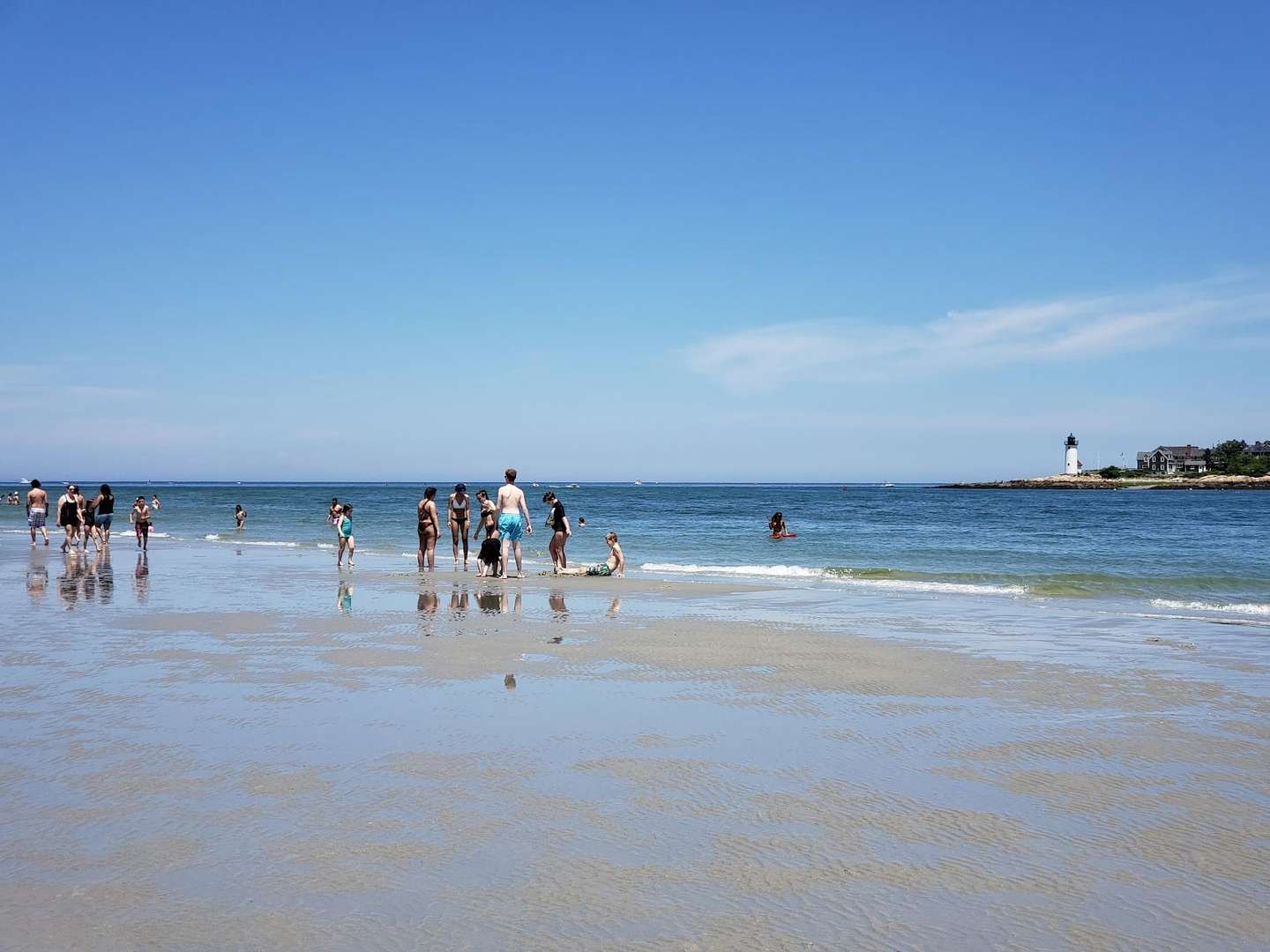
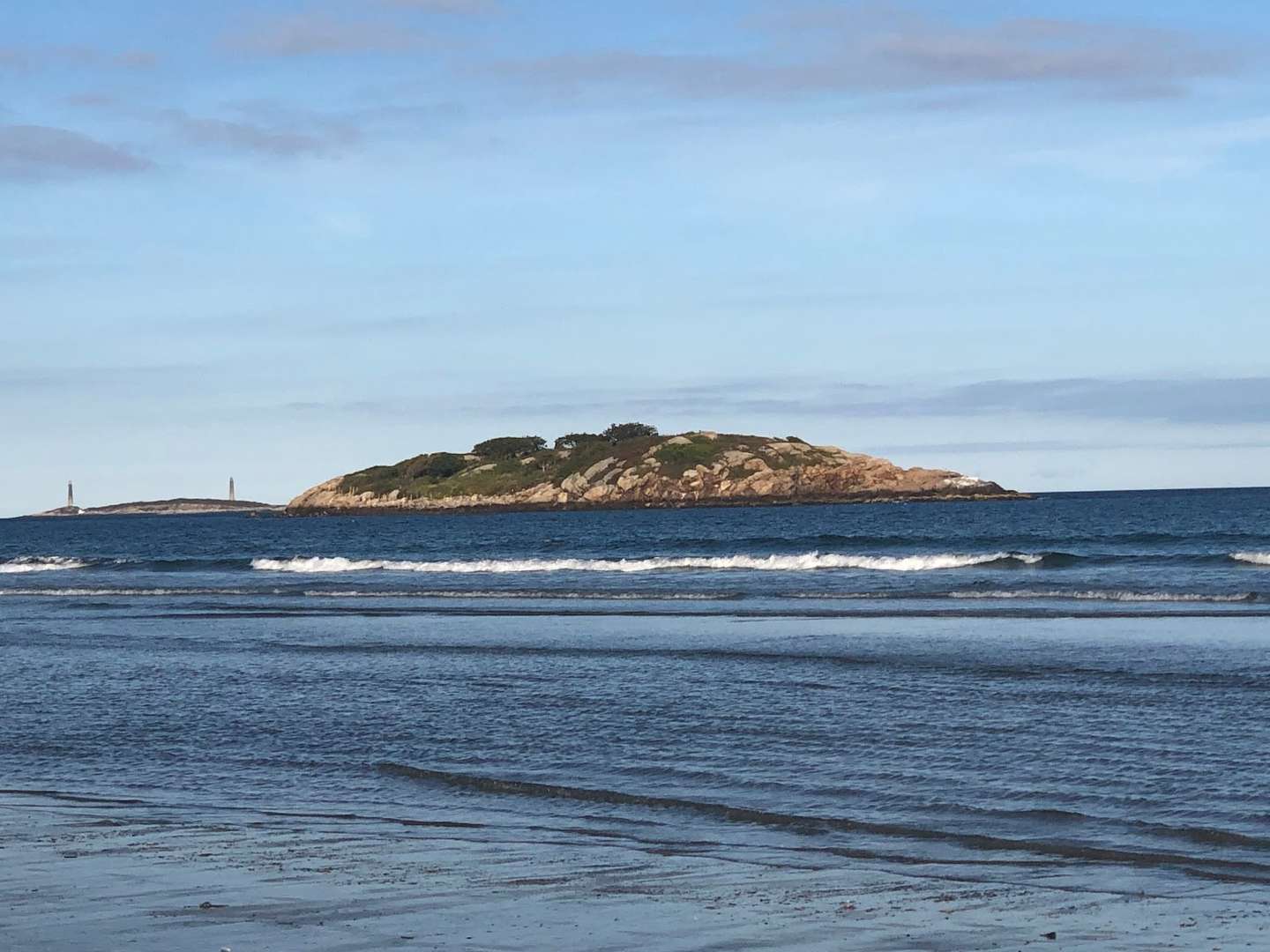
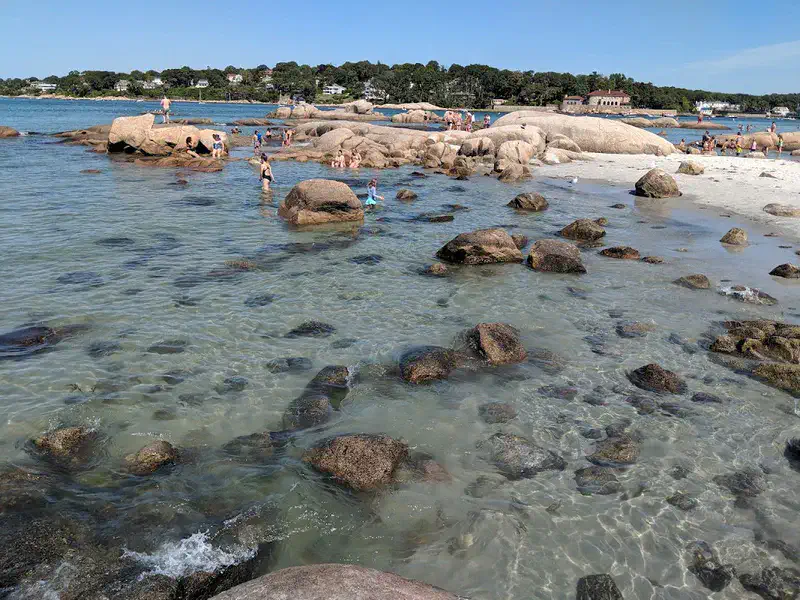 This applies to Gloucester and wider Cape Ann homes along the tidal rivers and open‑water edges—think the Annisquam River, plus beachfront areas by Wingaersheek Beach and Good Harbor Beach. Our on‑water routines were built for a Gloucester home with a private deep‑water dock and guest‑use small craft, and the same patterns fit similar Cape Ann properties. If your place adds unique features (for example, a different ladder type or mooring access), we fold those into the same checklists.